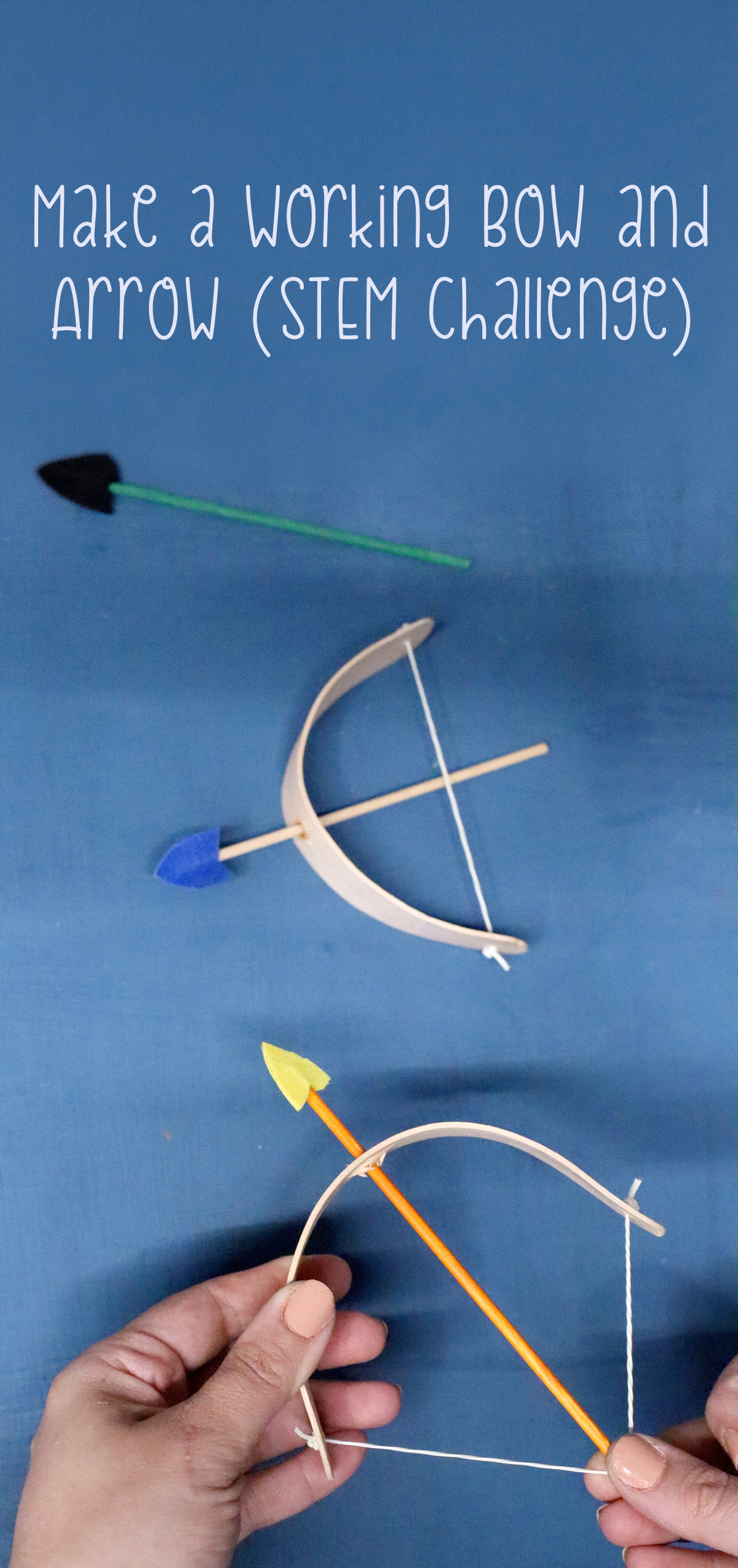
How to Make a Working Bow and Arrow – Lag Ba’Omer STEM
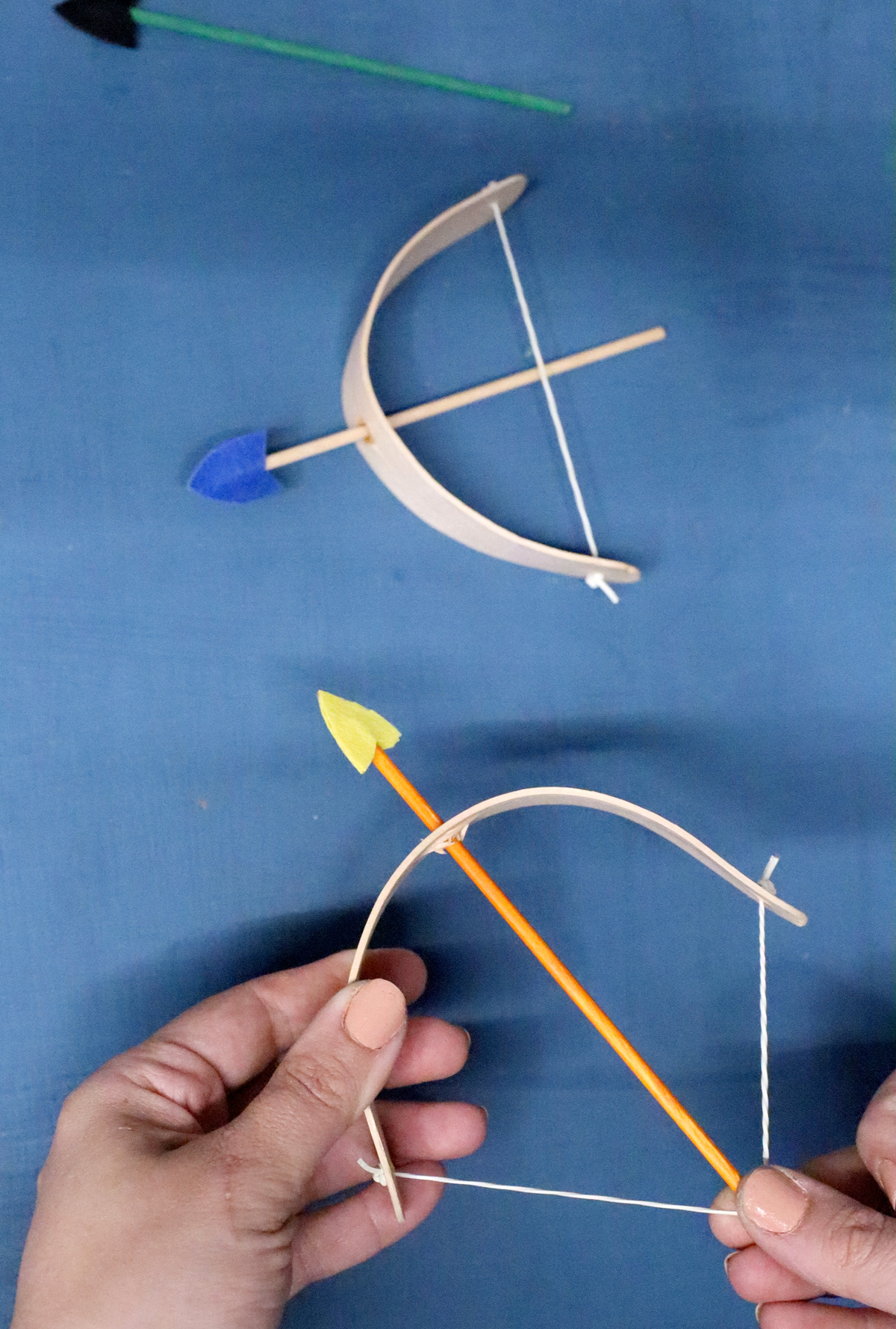
Learn how to make a working bow and arrow with just a few supplies – a fabulous Lag Ba’Omer STEM craft and activity! When you’re done, go ahead and print this Sefirat Haomer chart for free. This post contains affiliate links.
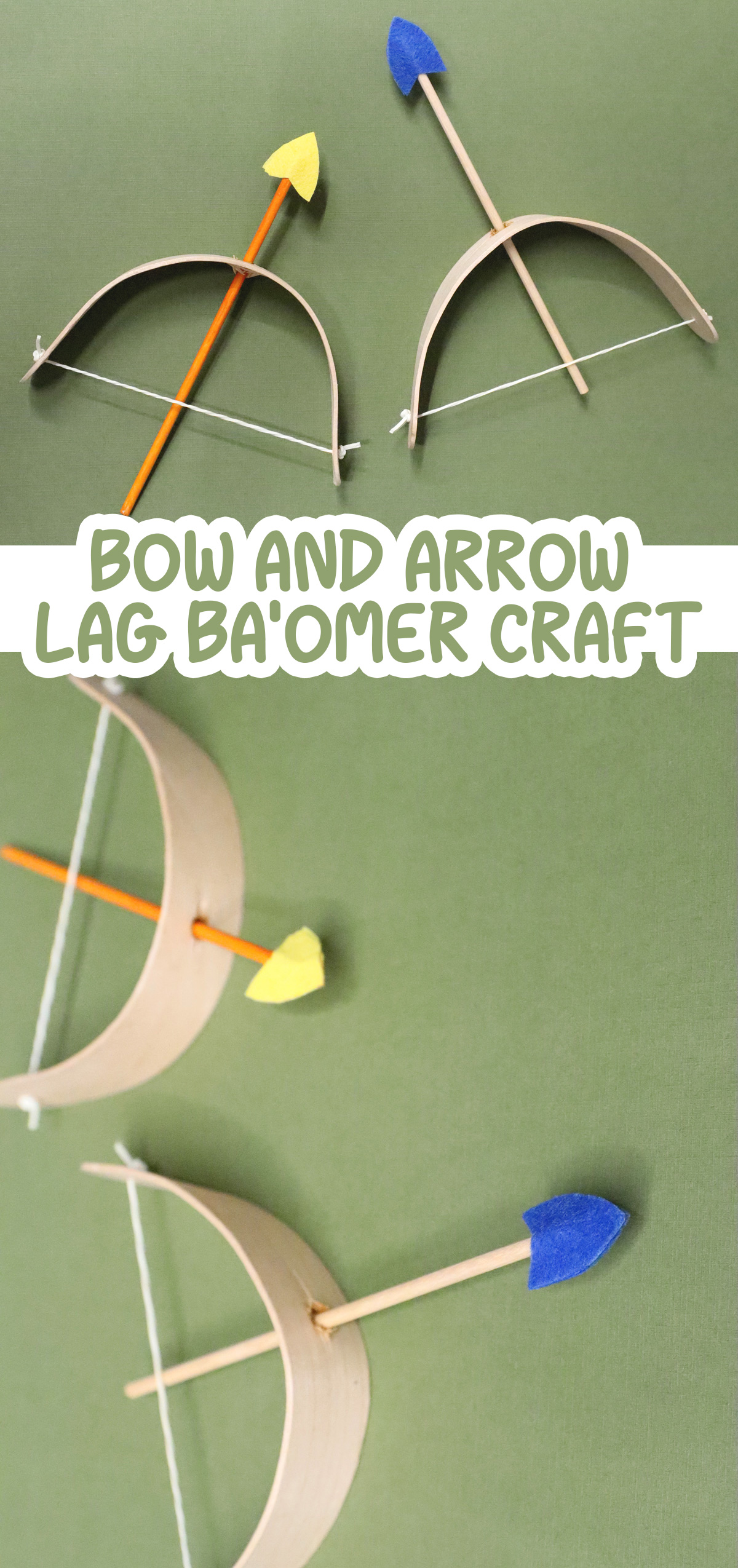
Creating working toys gives kids such a thrill, and today I’m going to show you how to make a working bow and arrow using very simple craft supplies (mostly), minimal tools, and not that much active crafting time.
This can be done by kids who are basically responsible with tools, and parts can be prepped in advance for younger elementary aged kids to make it too.
I’m going to walk you through the basics of this super fun and functional project, and then share step-by-step instructions with photos, along with a video tutorial at the end.
What we used to make a working bow and arrow
One of the cool things about this project is that the materials it uses are super simple. The tools can get a bit more complex. But STEM encourages experimentation, so if some of these tools feel cumbersome, you may want to try others.
The Bow
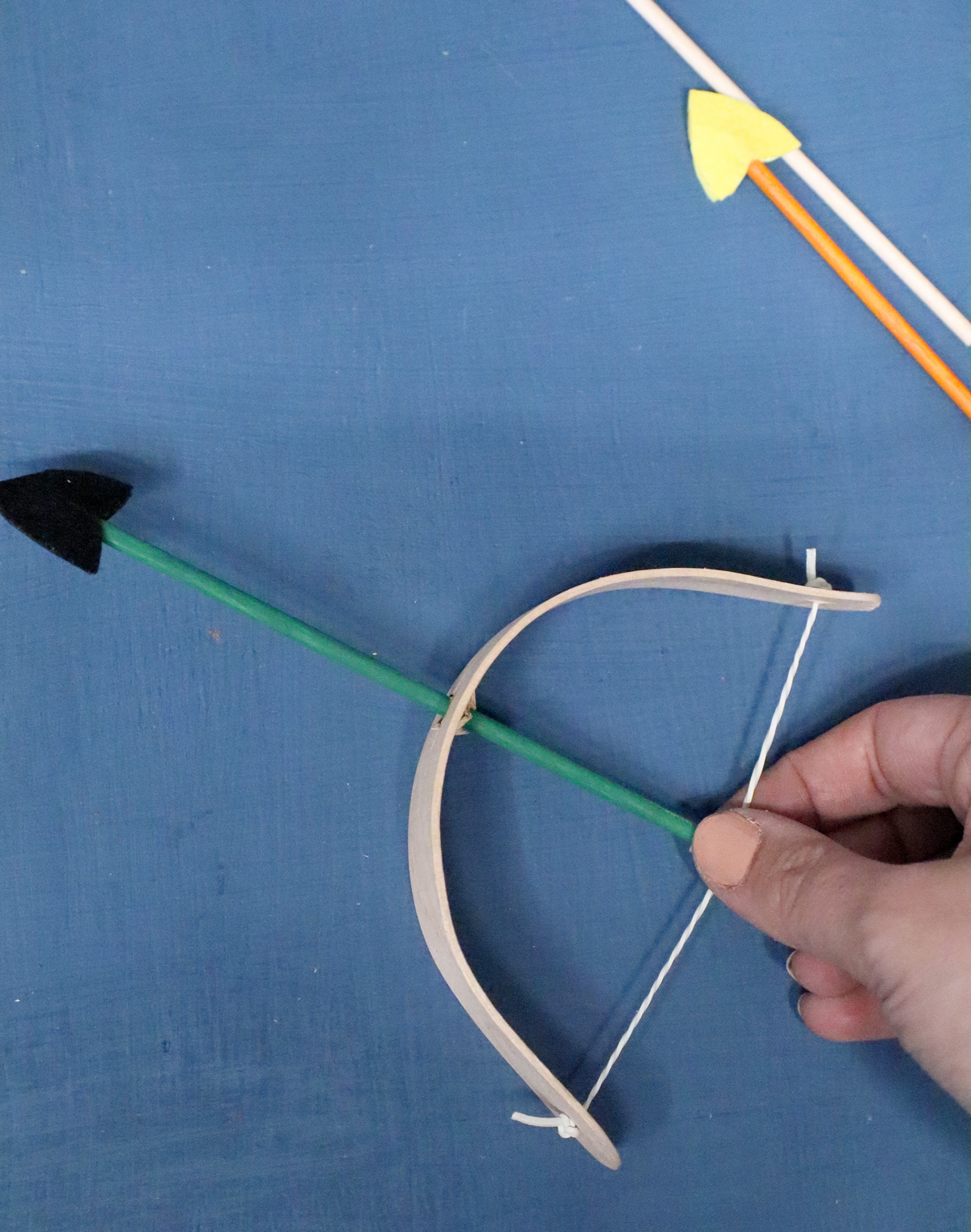
The bow was made by taking a super jumbo craft stick and bending it. It’s bent by soaking it in hot water until it’s pliable, then holding it in shape until it dries.
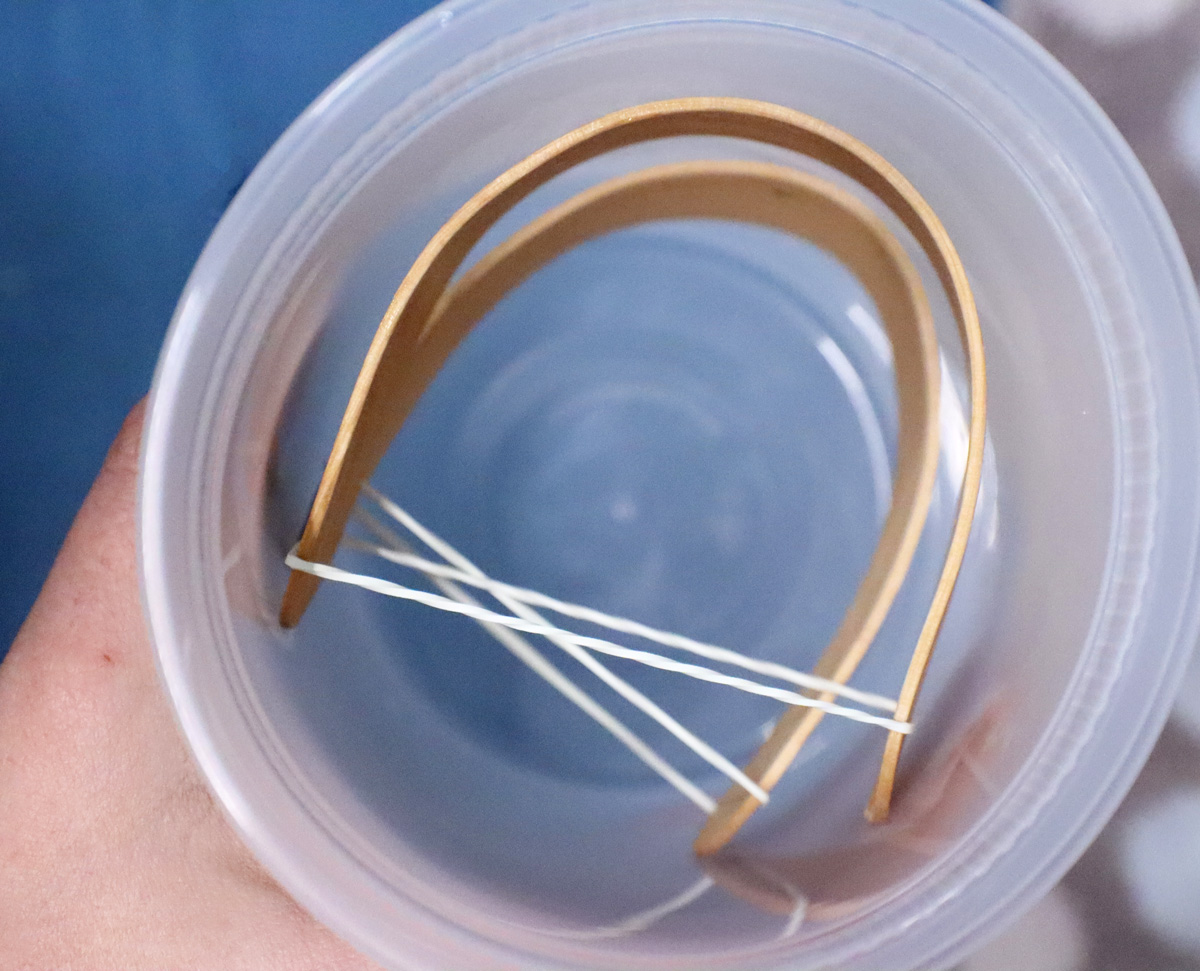
I used rubber bands and a round container to hold it in shape.
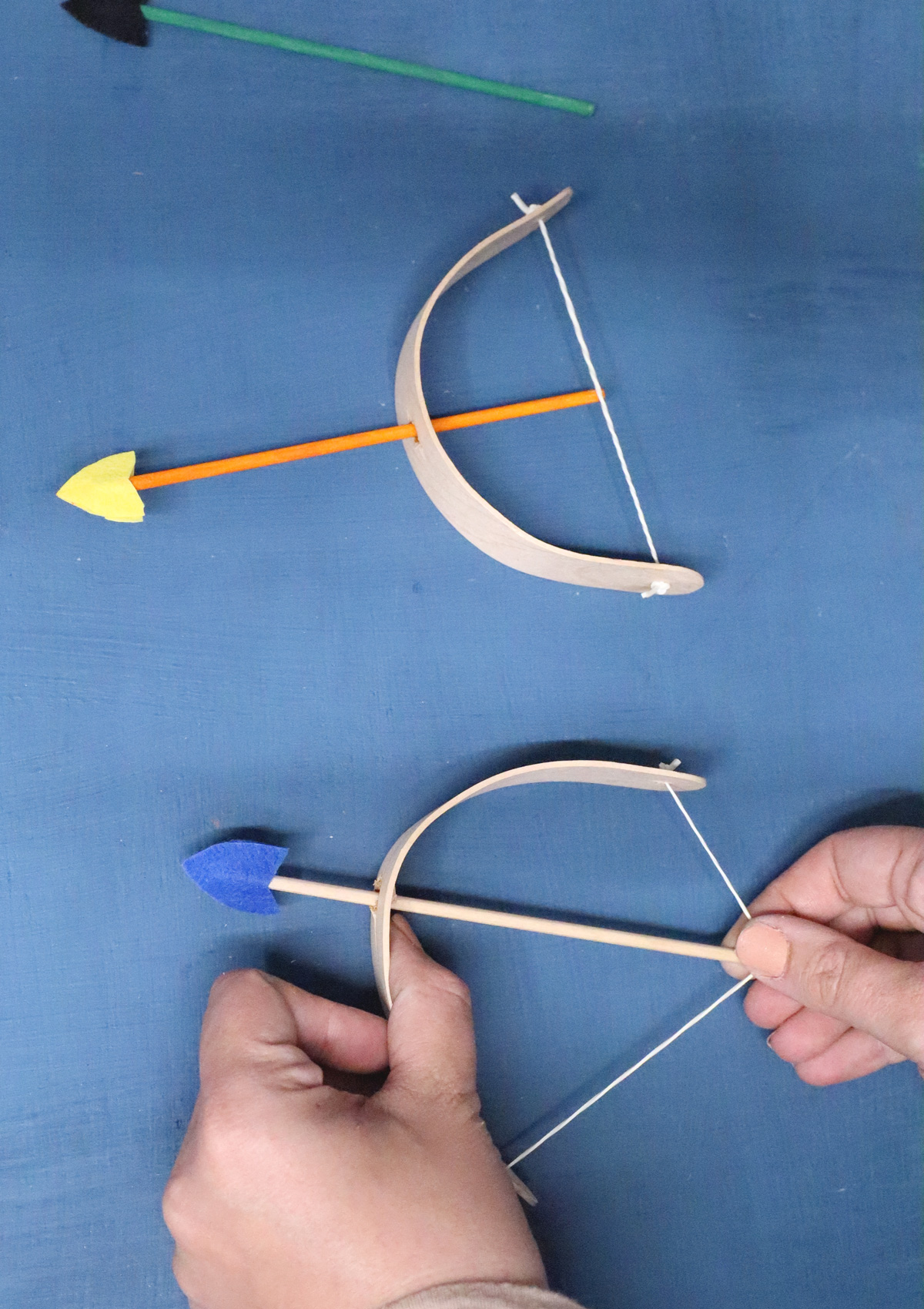
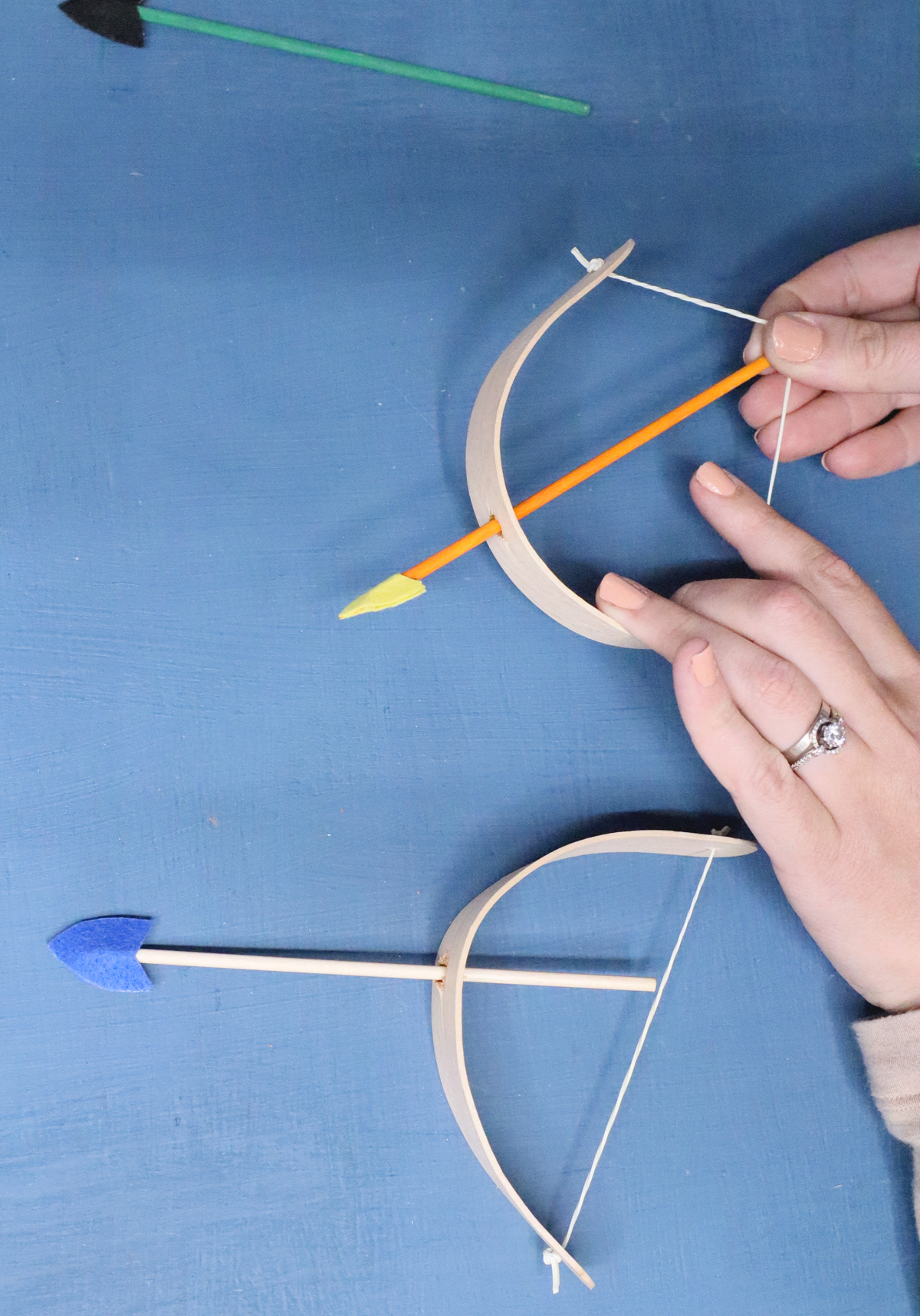
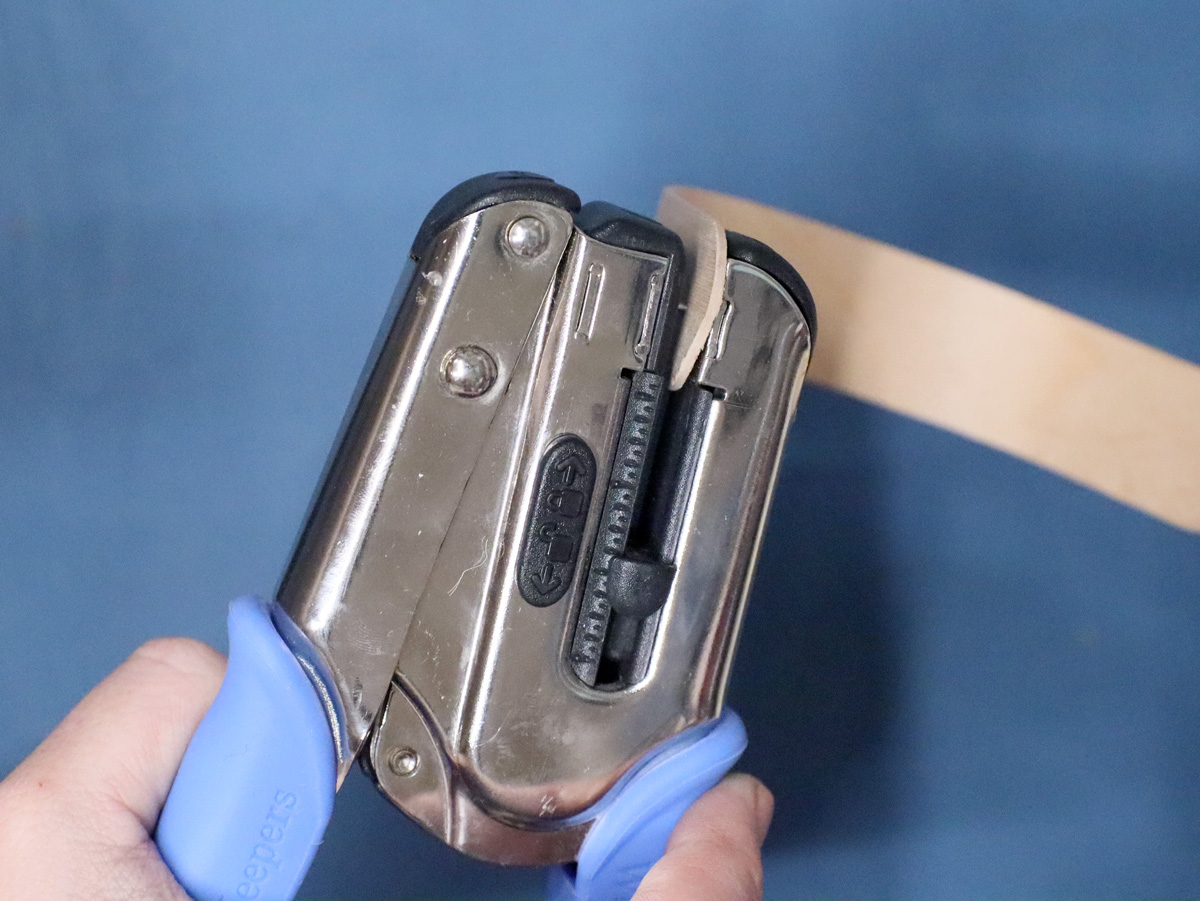
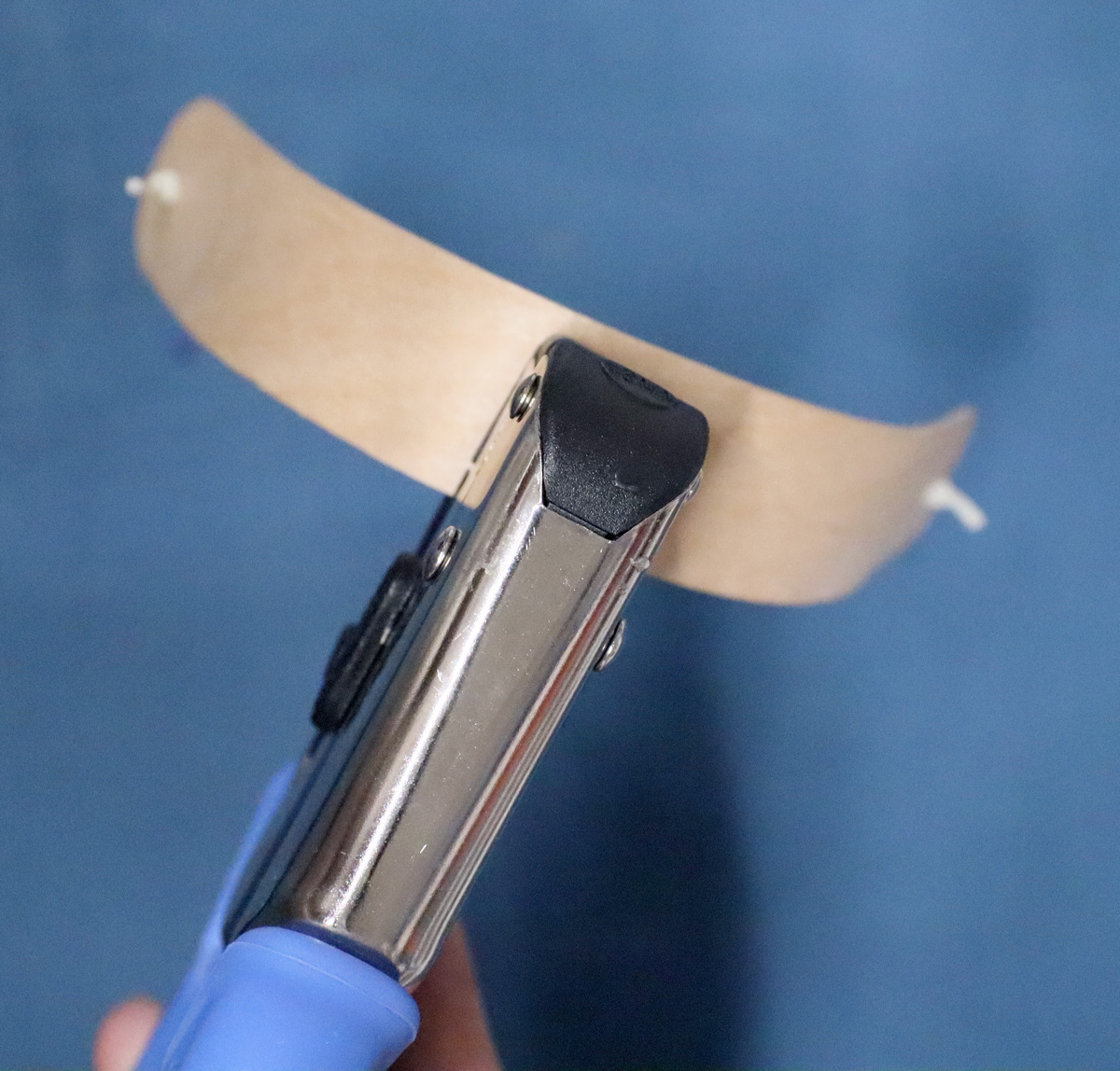
To make the holes, I used a Power Punch on the ends. The center needed a larger hole, so I started it with a 1/16 inch power punch and enlarged it with an awl.
The cool thing about the Power Punch is that it works really well, just punching right through the craft stick. The problem: the one I have is discontinued. The solution: they now make one with adjustable sizing! That means that you may also be able to use it to punch the arrow hole in the center. But since I haven’t tried it, I can’t say for sure.
Play around with different tools to make the hole if you need to. You can try to make it while the wood is wet – it may be easier to poke. Try hammering a nail in and then pulling it out. Use thicker nails for larger holes… Experimentation is valuable here!
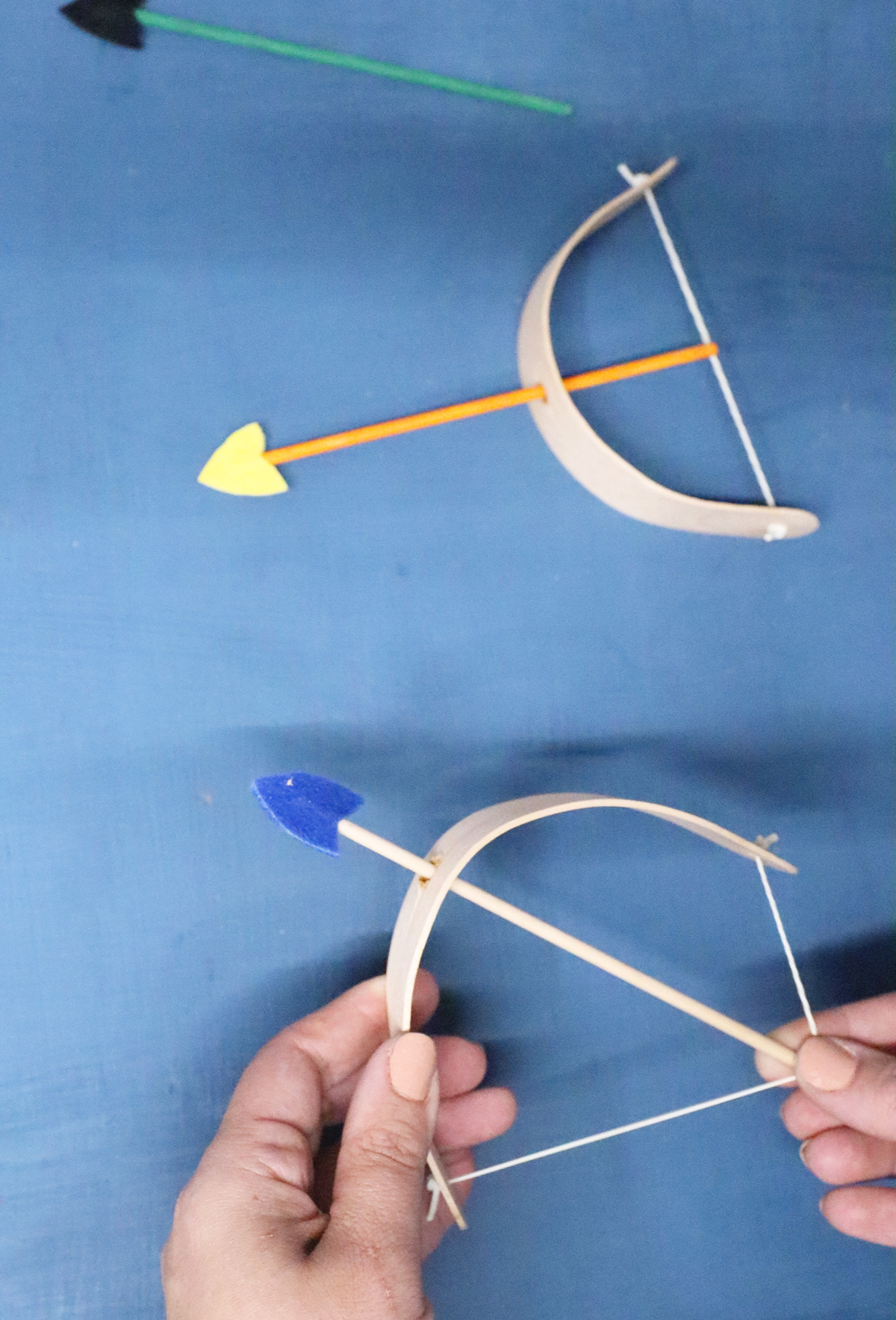
A rubber band provides the tension needed to propel the arrow forward.
The arrow
The arrow was made using a wood lollipop stick because that’s what I had. A skewer cut to size can work too, I’d assume. That was my original plan, but I had lolly sticks in my craft room and skewers were all the way upstairs in the kitchen…
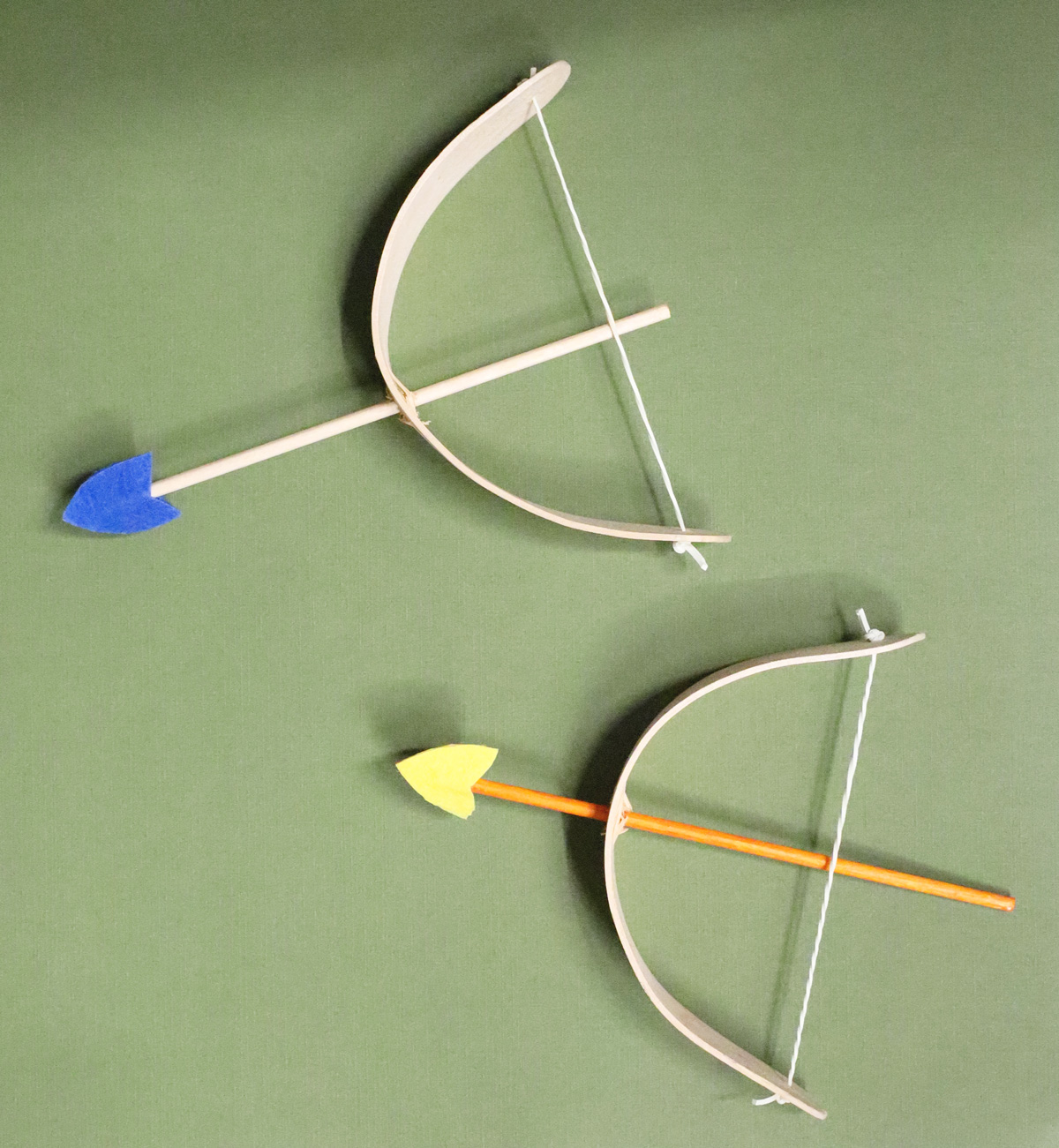
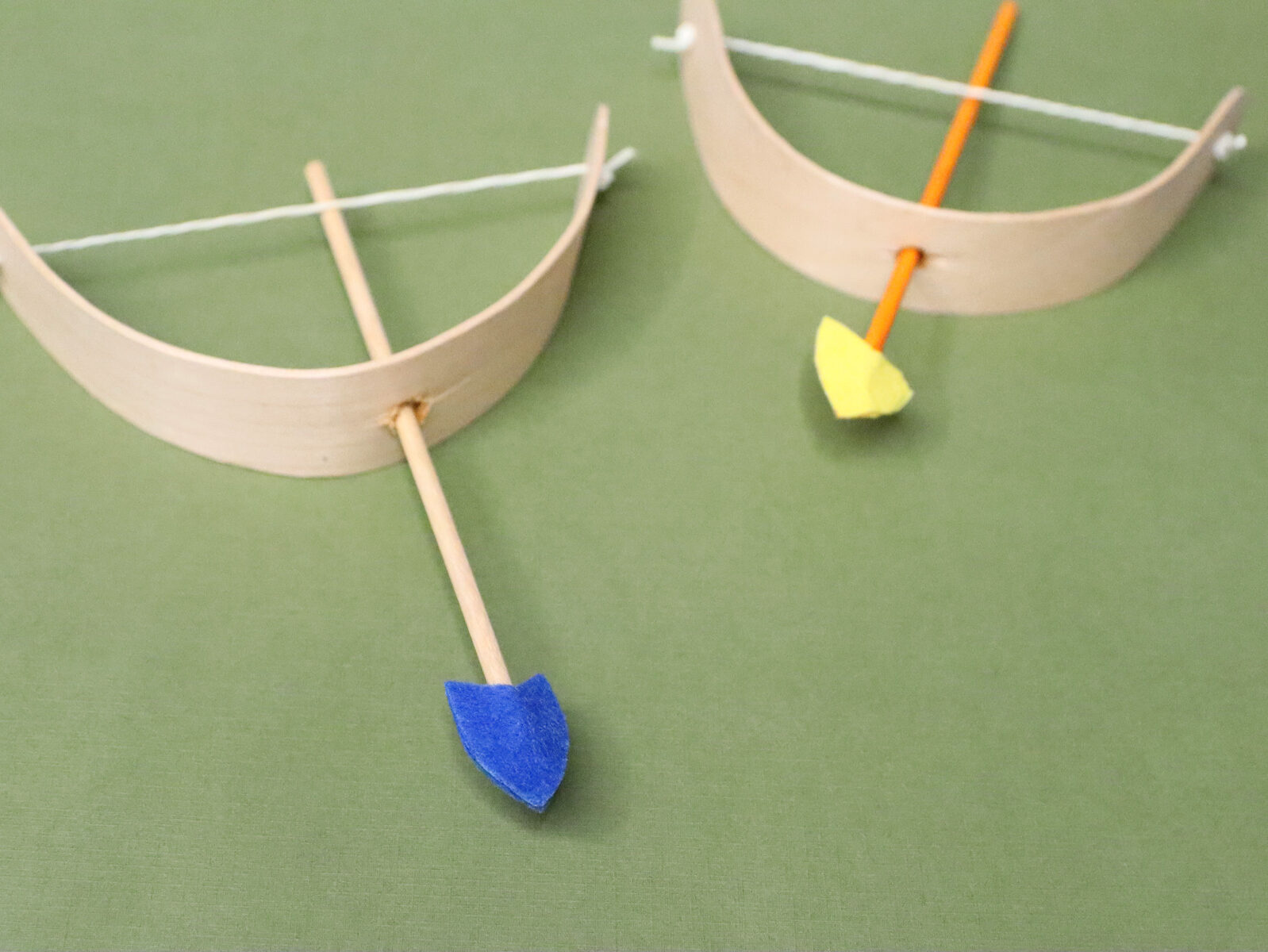
The arrow is tipped with felt to keep it from hurting humans and beasts. It also looks cool. I used stiff sticky felt to make life easier and recommend you do the same. Keep this glueless…
More ideas
I would love to try making a larger, sturdier bow one day with a paint stir stick. I’ve never tried bending them, but would imagine it could work, so feel free to try it!
For the elastic, you can use larger rubber bands if needed, or even try it with a very taught string.
Finishes and final touches
I painted some of the arrows, and left the bows as-is. You can paint and/or decorate them both – depending on how much crafting you want to do for this project. I recommend painting the bow after bending and making the holes, but before assembling.
Think: stick on gems, glue on sequins, add some glitter glue, or for a fast drying solution, color them with paint sticks or markers.
Learning how to make a working bow and arrow with kids
While this is a fabulous activity to do with kids, learning how to make a working bow and arrow is not just a cut and paste activity. It’s great in some settings and might need some tweaks in others.
A Lag Ba’Omer STEM Activity
Headed to the park with the class for Lag Ba’omer? Preceed it with a STEM activity! This is such a cool way to get kids crafting something functional.
If you’re using this to encourage a little engineering problem solving, you may want to give kids more options and supplies to use.
If you’re doing this in a classroom setting, I’d highly recommend pre-curving the bows. It’ll just make the process much smoother! You can also add the holes.
This is best for older kids (8+) but younger kids can craft it with A LOT of help. They can also play a heavy part in decorating it.
Taking it outdoors
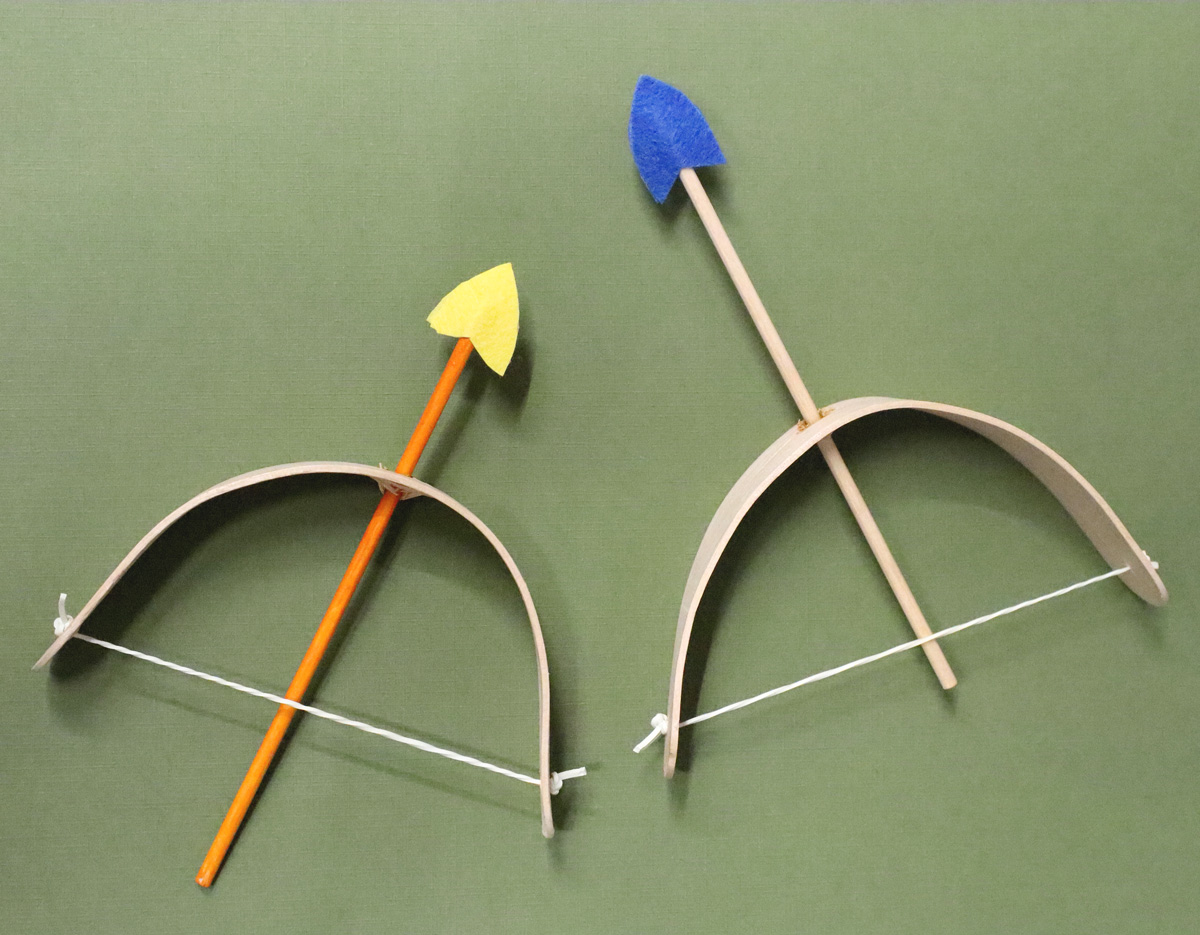
These working bow and arrow sets are totally fun for playing with in the park. As I mentioned, they are a fabulous pre-field-trip activity as kids can really play with it. Make lots of extra arrows if you’ll be using it that way, as some will get lost. That’s the easier part of the activity, anyway.
You can play games with it, such as competitions for distance, target hitting, and more.
How to make a working bow and arrow step by step
Follow the step by step instructions to learn how to make a working bow and arrow set.
You’ll need
- An extra large craft stick (about 8×1 inch) or similar
- A pan with hot water
- A round container
- Rubber bands
- A very strong hole punch, awl, and/or hammer and nail for making holes in the stick
- A wood lollipop stick or small dowel, or similar
- Adhesive stiff felt
- Marker
- Detail scissors
- Optional: craft acrylic paint and brushes.
Watch the video
Watch the full-length video on YouTube if you prefer to learn that way! Or scroll down for written instructions with photos.
Written tutorial with photos
1. Place a towel (or paper towels) on your surface to absorb any splashes. Carefully, (adults only) fill a pan or shallow dish with hot water. Place your craft sticks inside. Try to keep it submerged with something heavy propped on top.
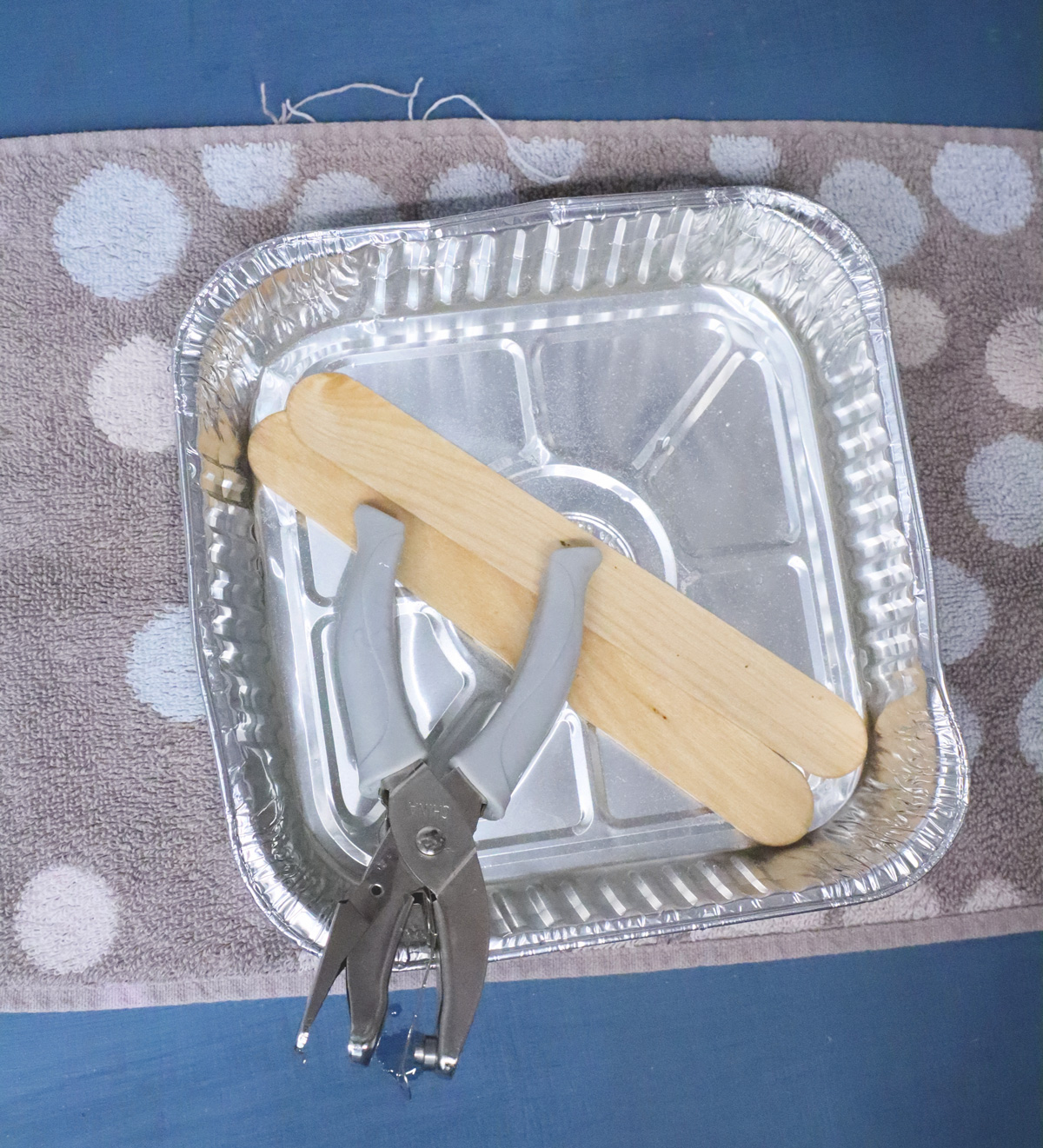
2. Let it sit for about half an hour. When you come back it should be softened and pliable. Gently curve it into an arch shape.
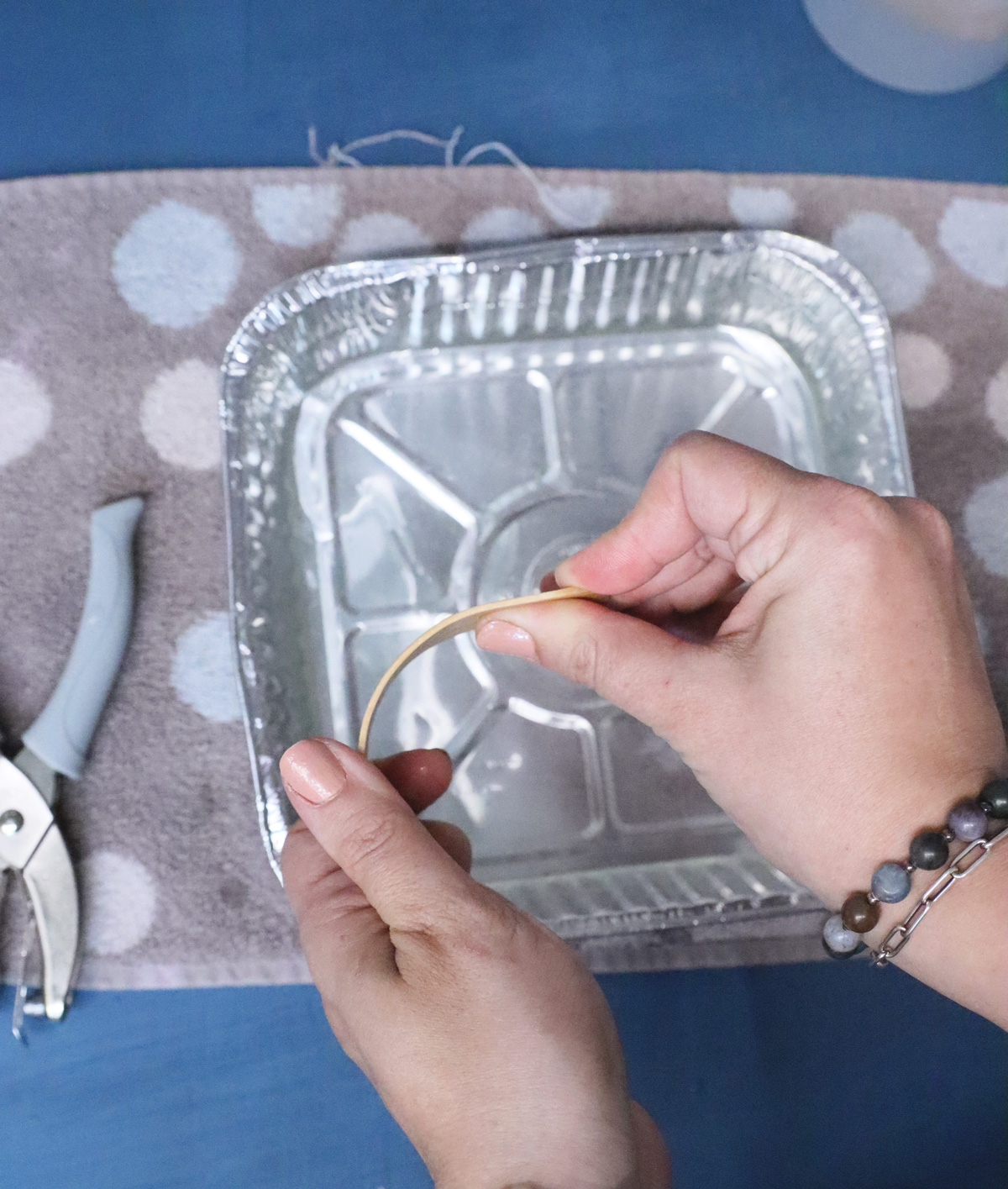
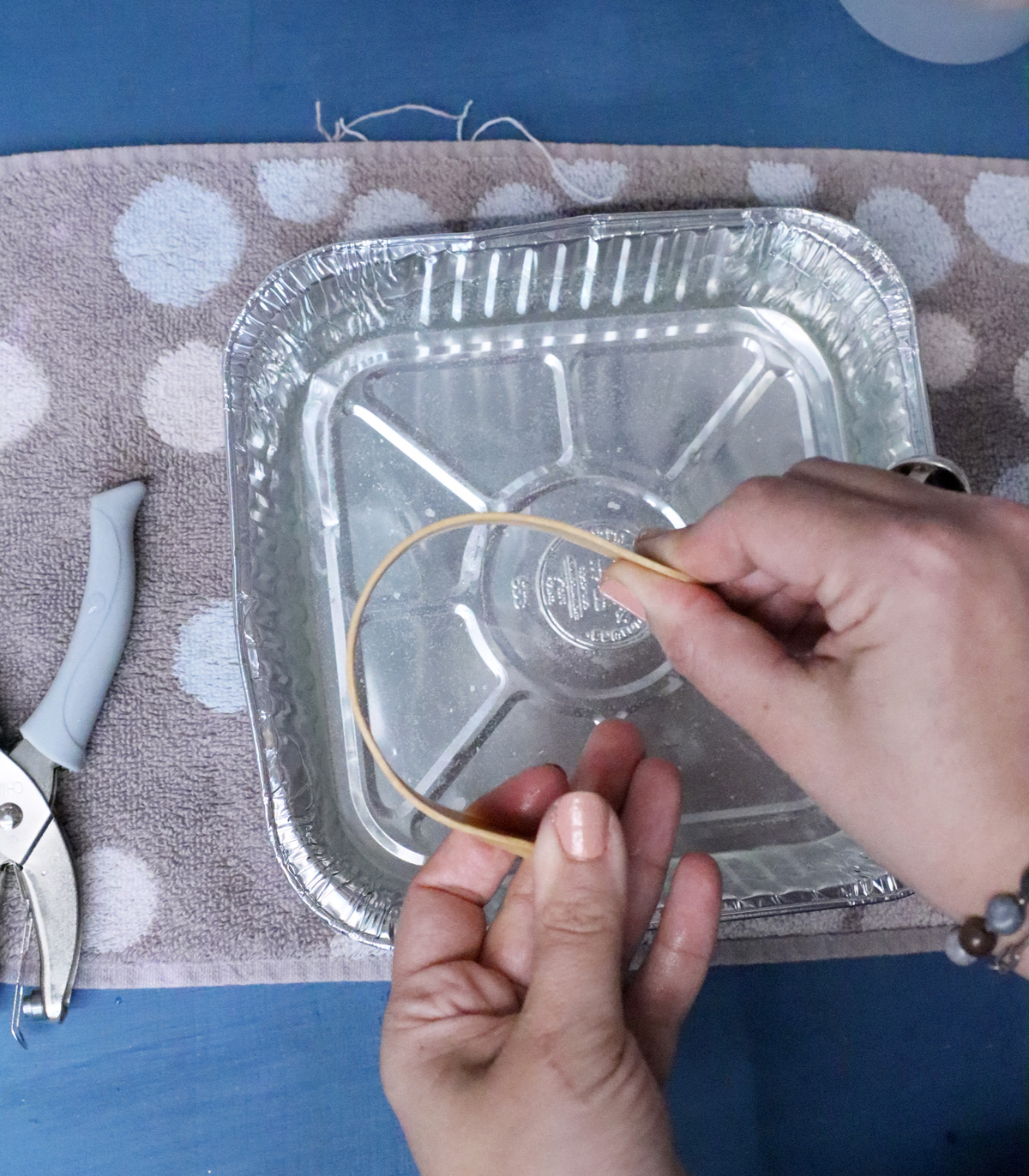
3. wrap a rubber band or two around the two ends to somewhat hold the shape. Make sure it’s straight, avoid any twisting.
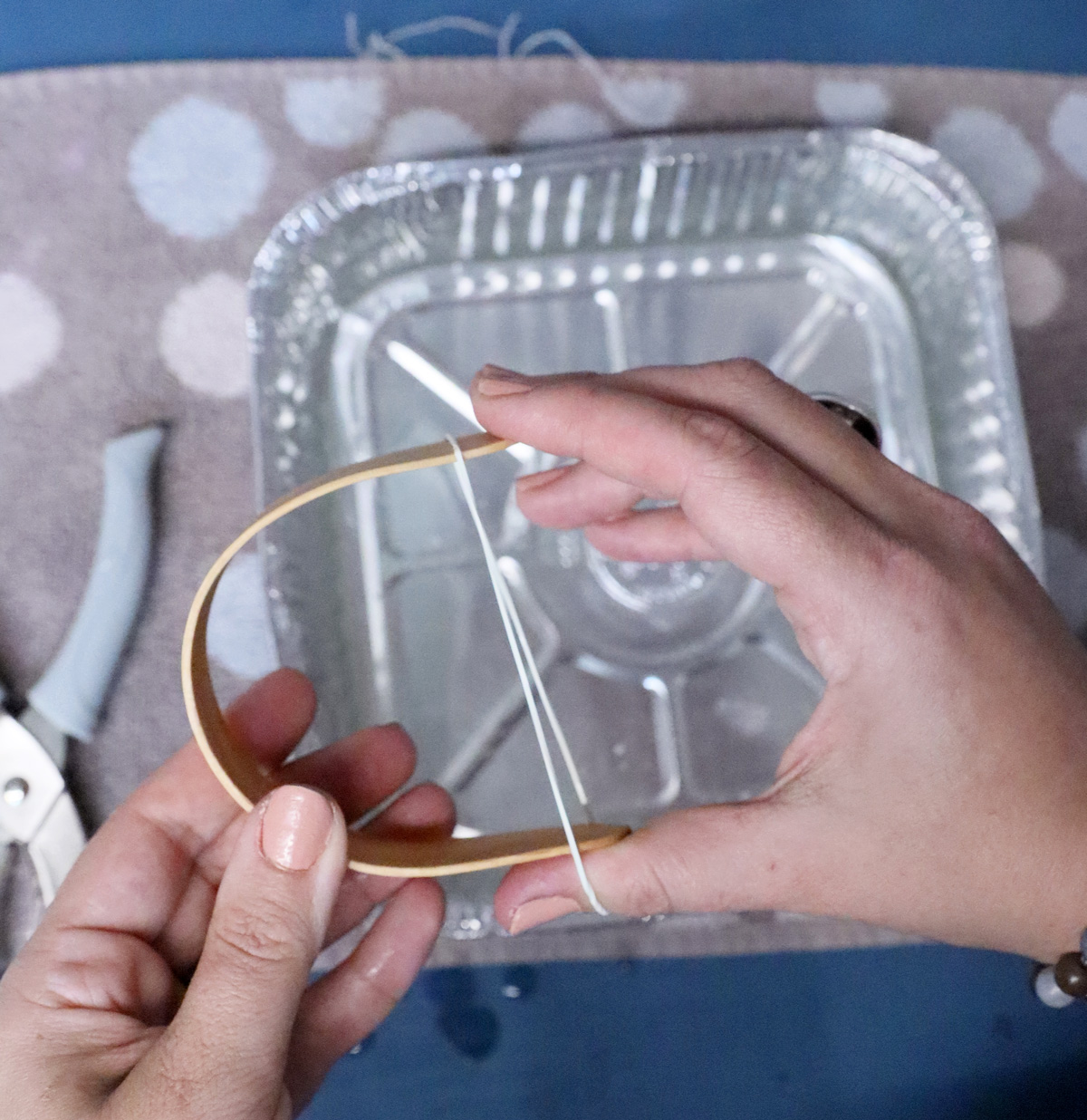
4. I recommend also putting it into some sort of container that will help it hold its shape. Leave it overnight to dry (exact dry time will heavily depend on temperature and humidity.)
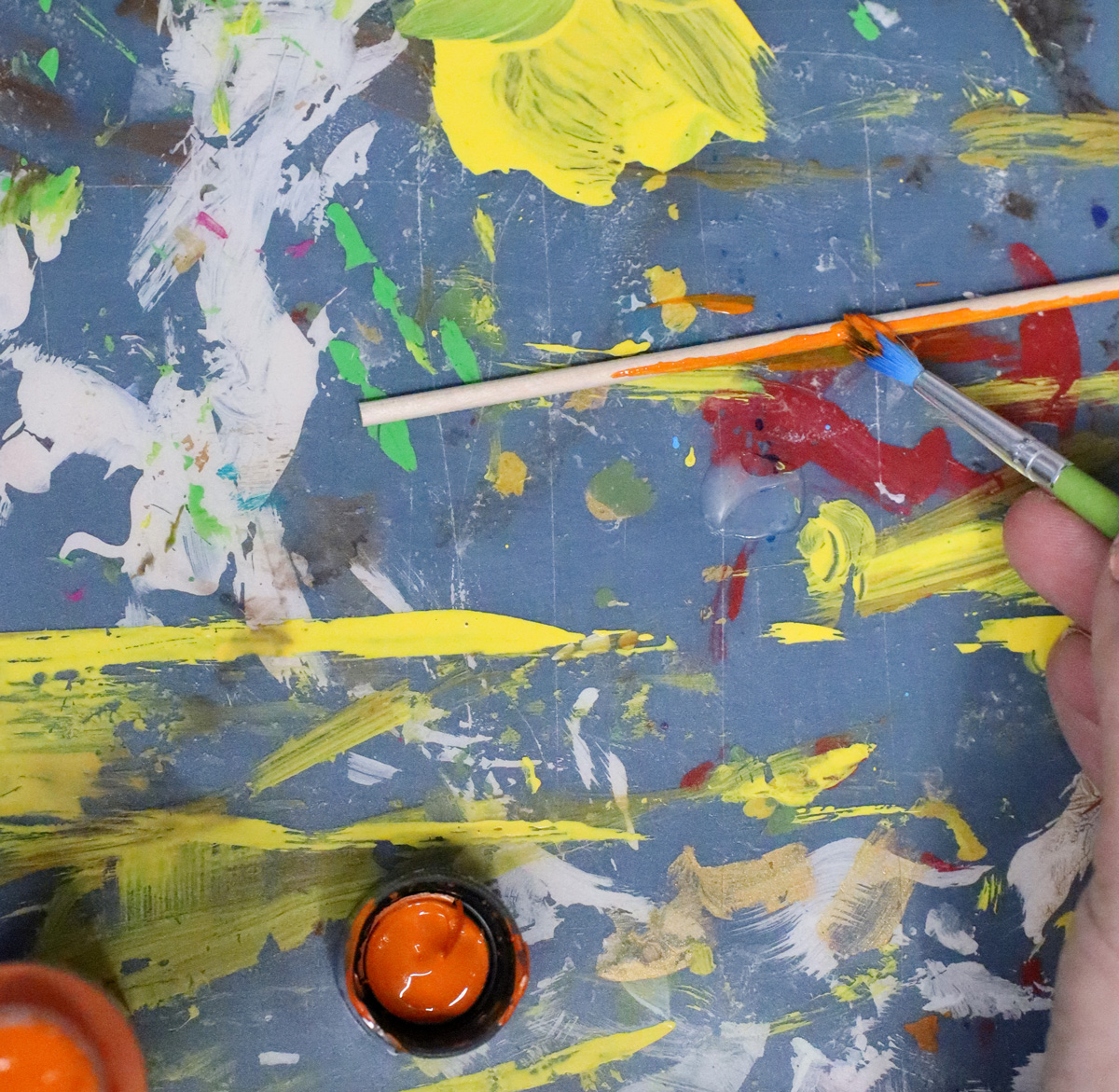
5. Meanwhile, let’s work on or arrows. If you’d like to, paint the wooden dowels.
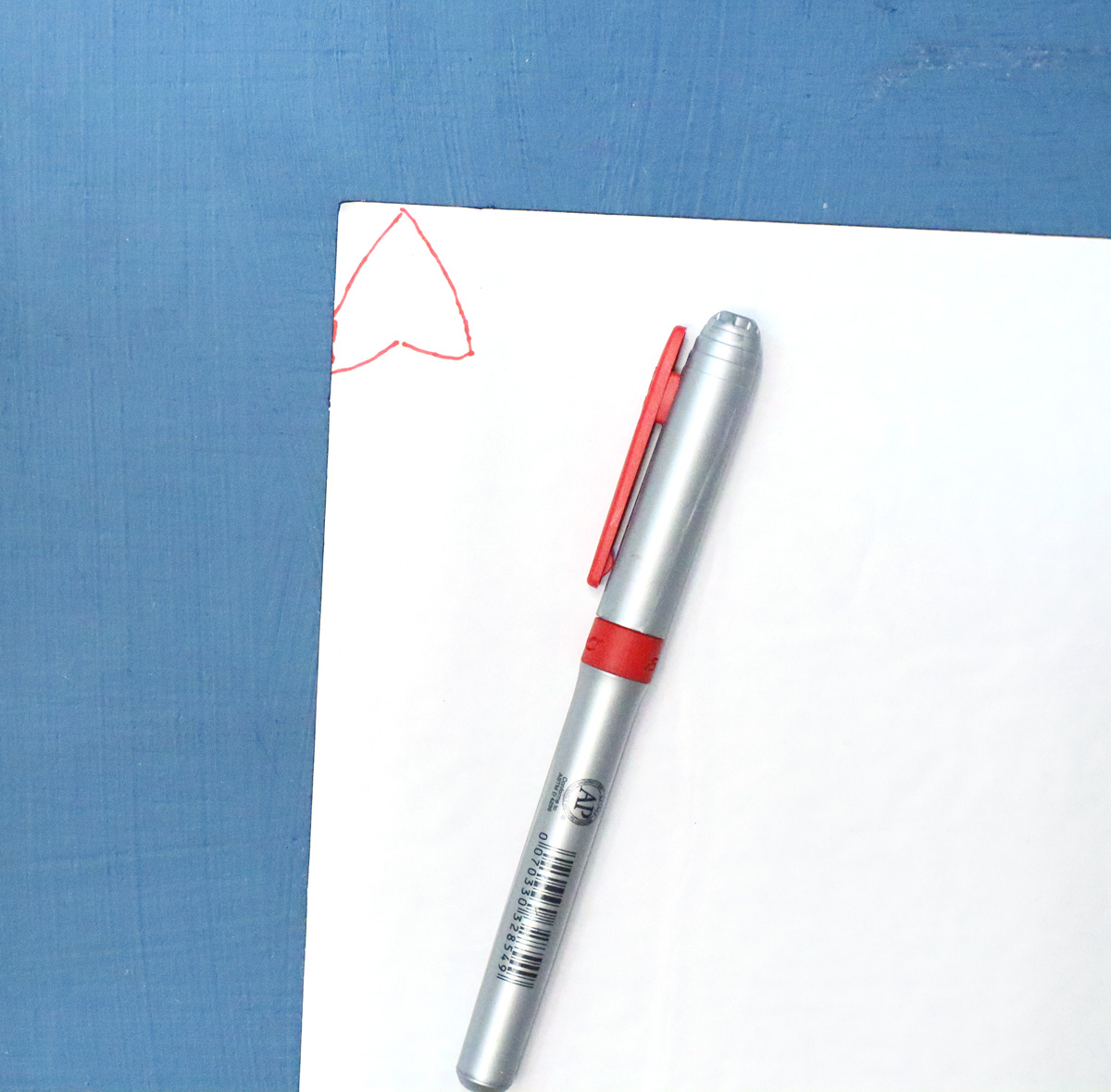
6. Draw a simple arrowhead on the back of your felt (the paper backing).
7. Cut it out and trace the reverse side so you get two mirrored shapes. Cut it out.
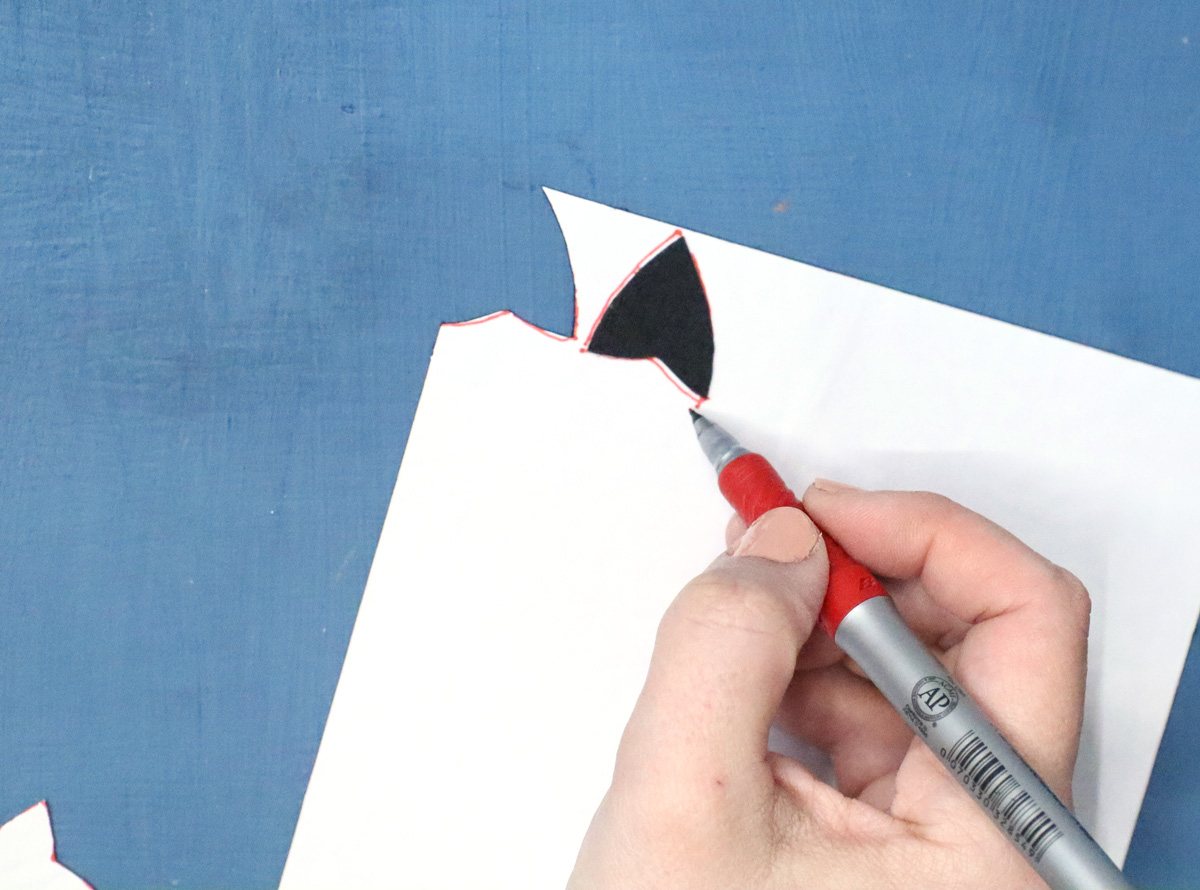
8. Remove the backing, and place the tip of the stick in the center. Curve the ends around the dowel slightly, about halfway around.
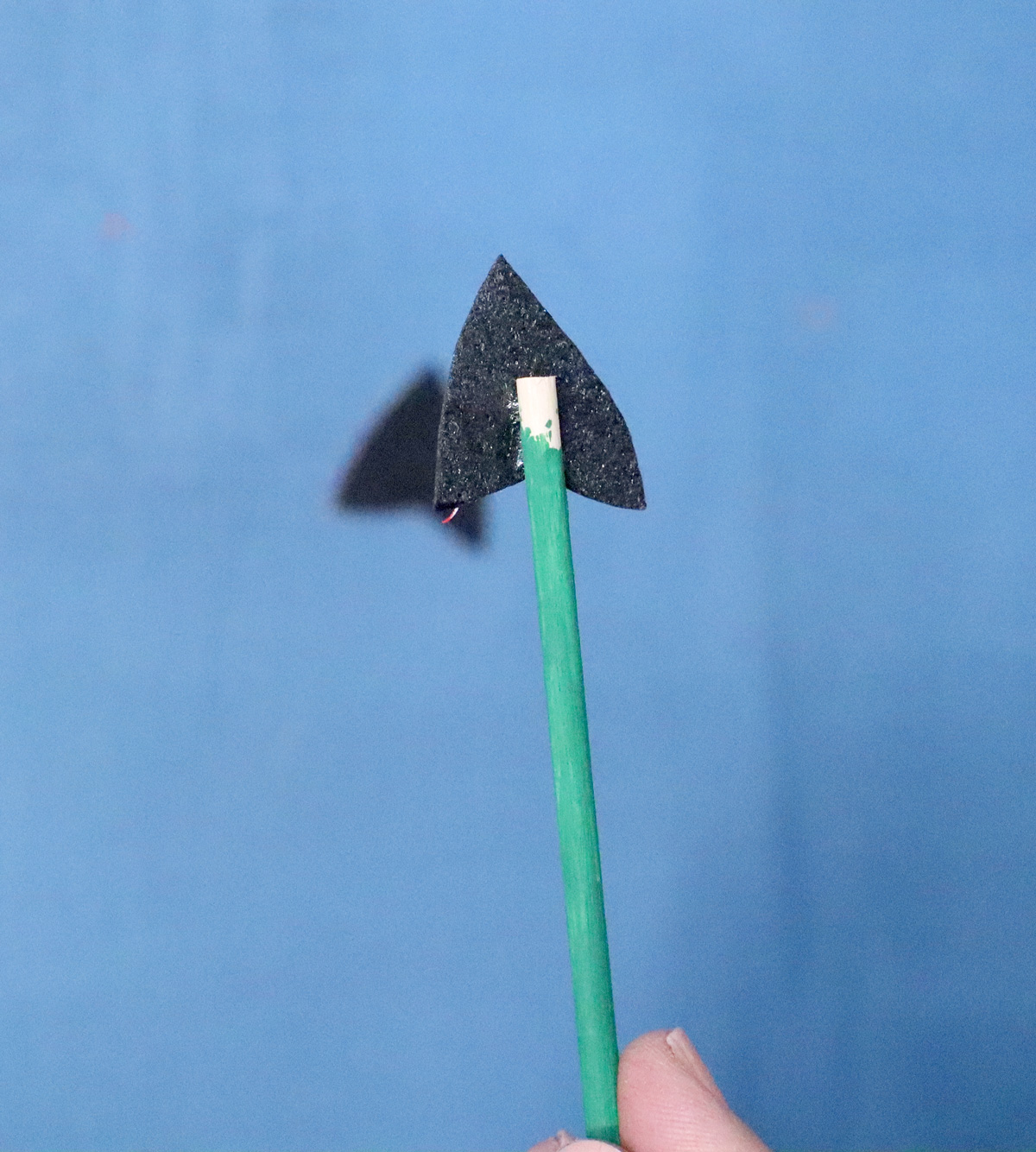
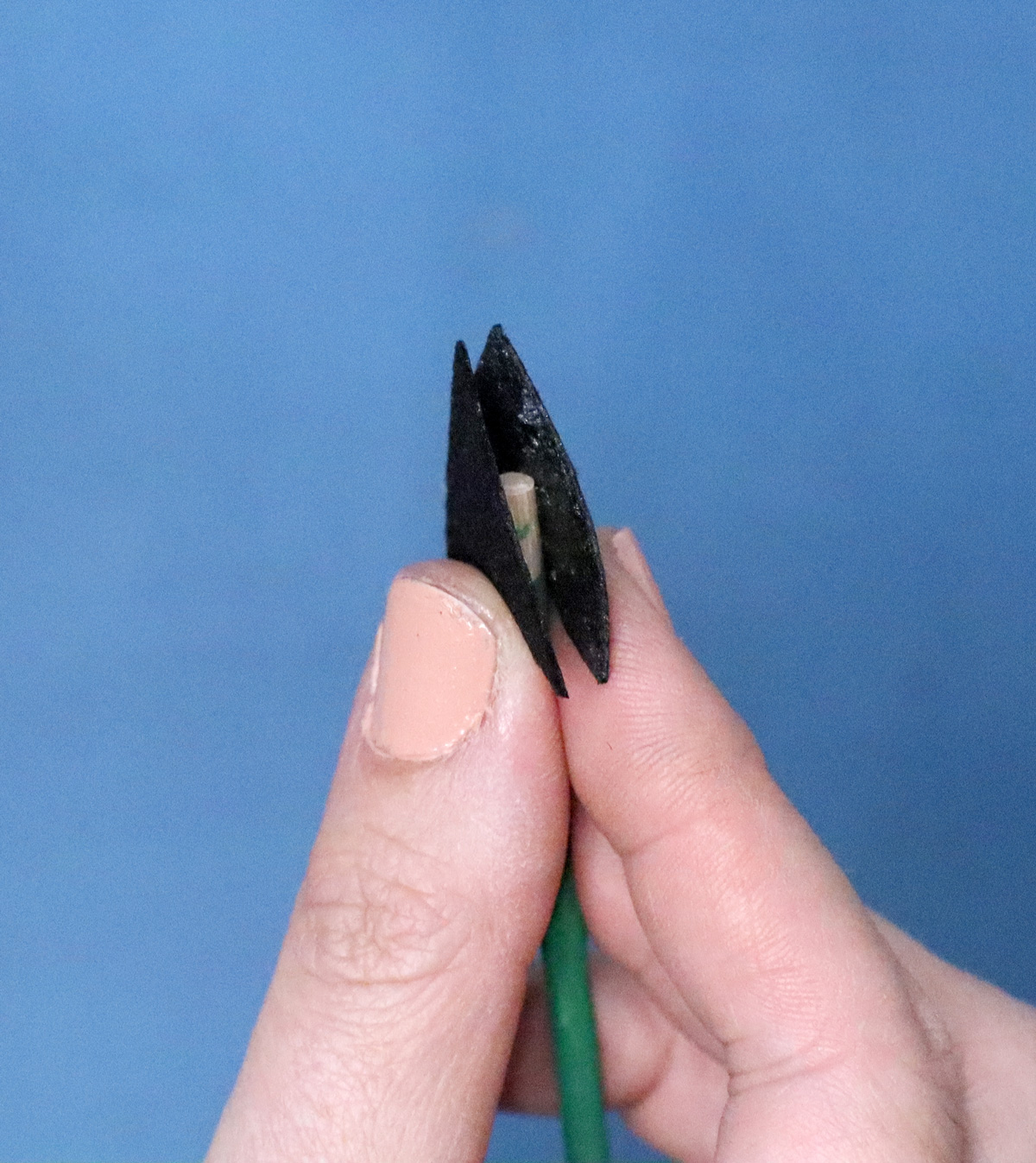
9. Starting from the left side, connect the reverse side of the arrow head, and slowly wrap it around to meet the other side of the arrow and wrap around the stick. The should be roughly even, but you can trim it with scissors if you want.
10. Let’s go back to our bow! Remove the rubber band once the bow has dried. You should have a pretty little curved stick – but it doesn’t need to be perfect.
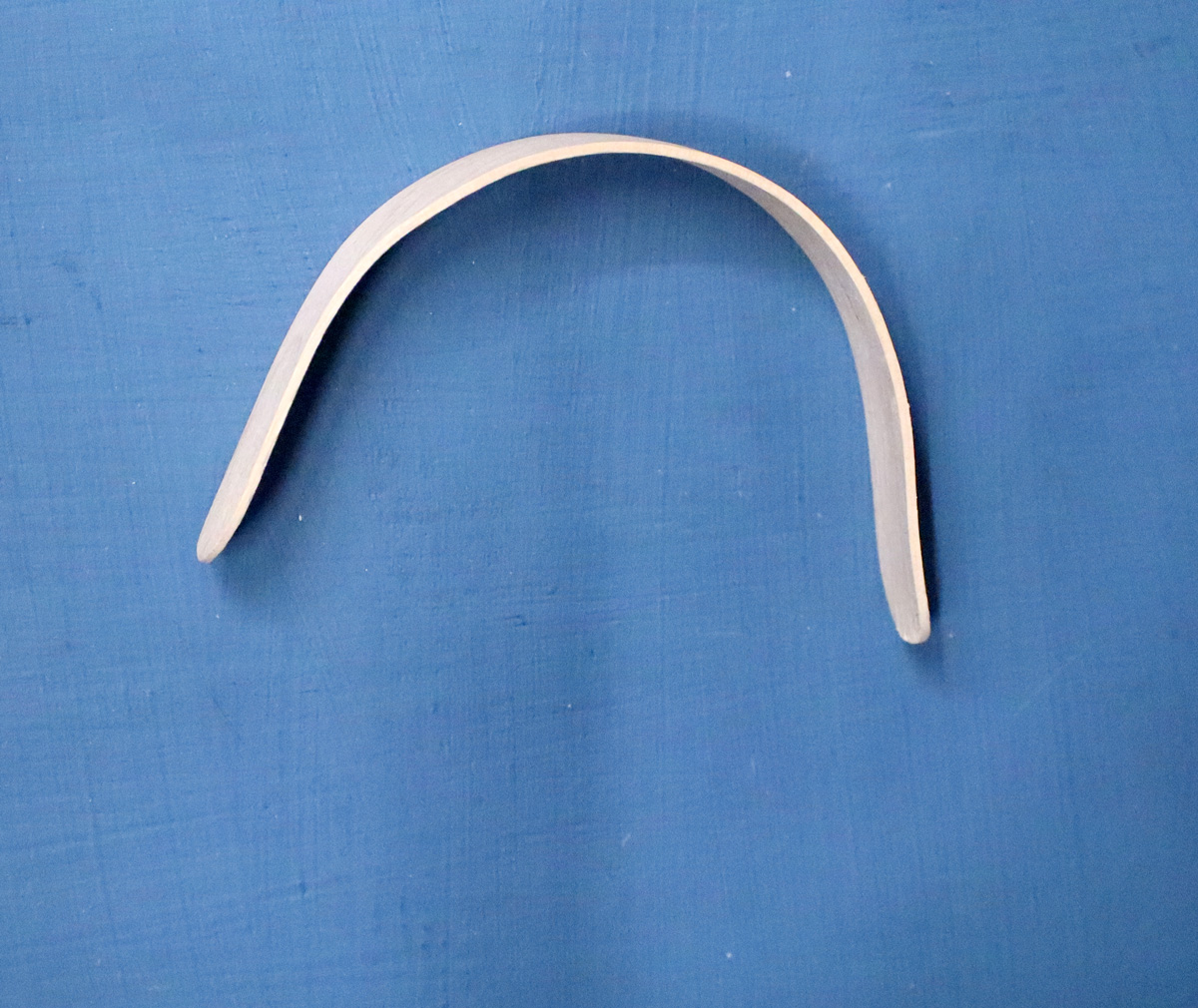
11. Punch a hole in each side of the stick – about 1 cm from the end.
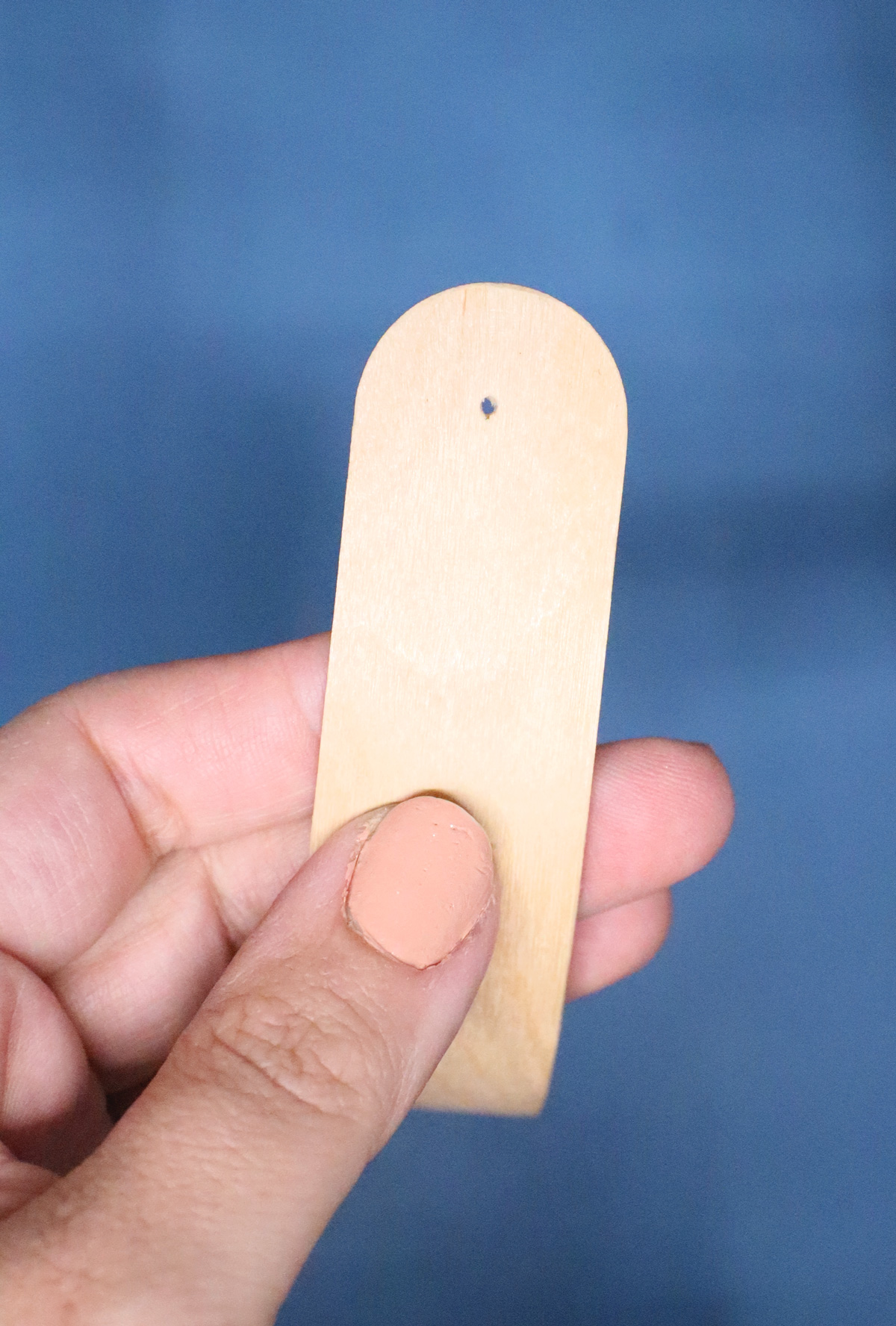
12. Cut a rubber band in half. The ideal rubber band is longer than your bow’s diameter but a few inches.
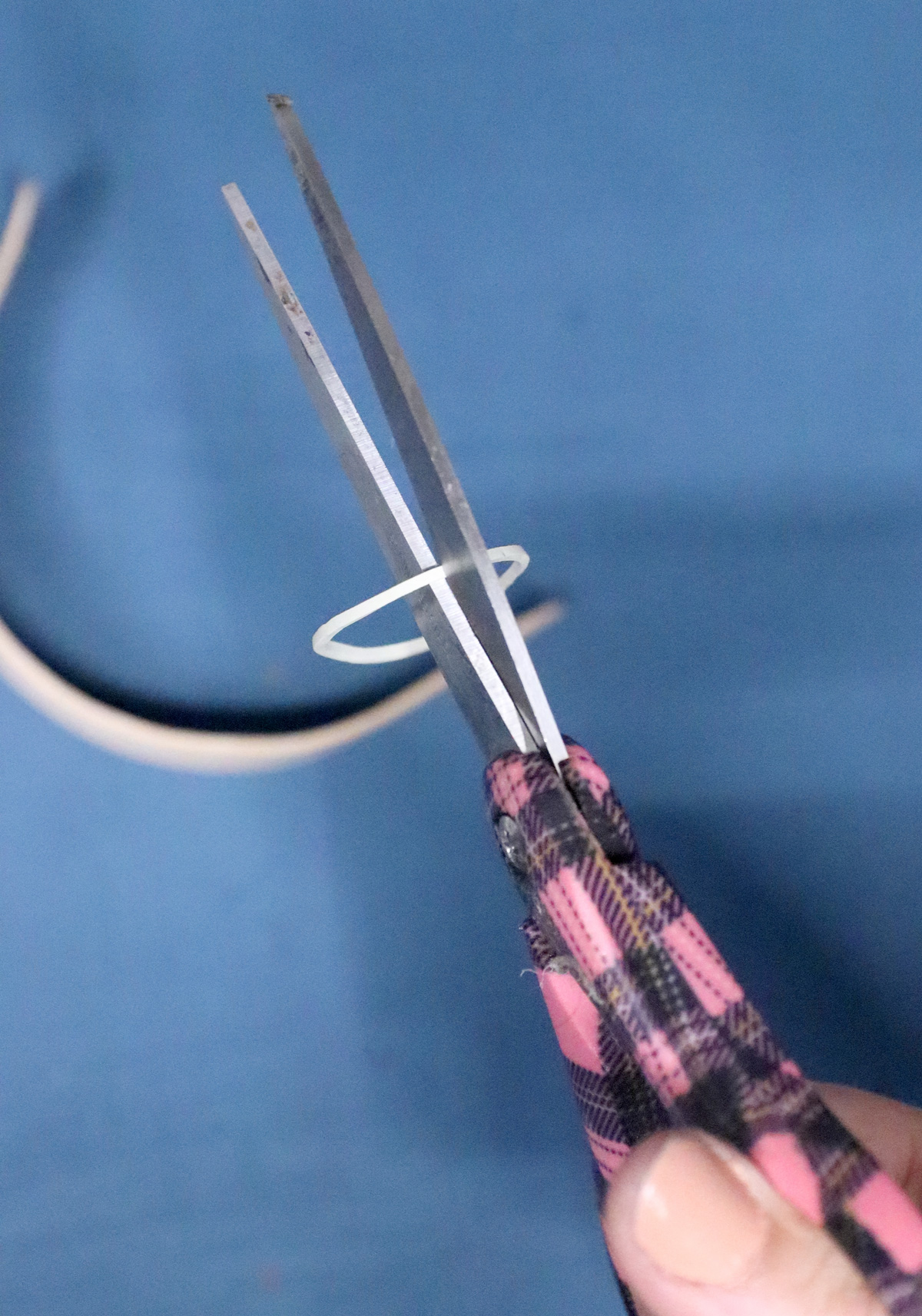
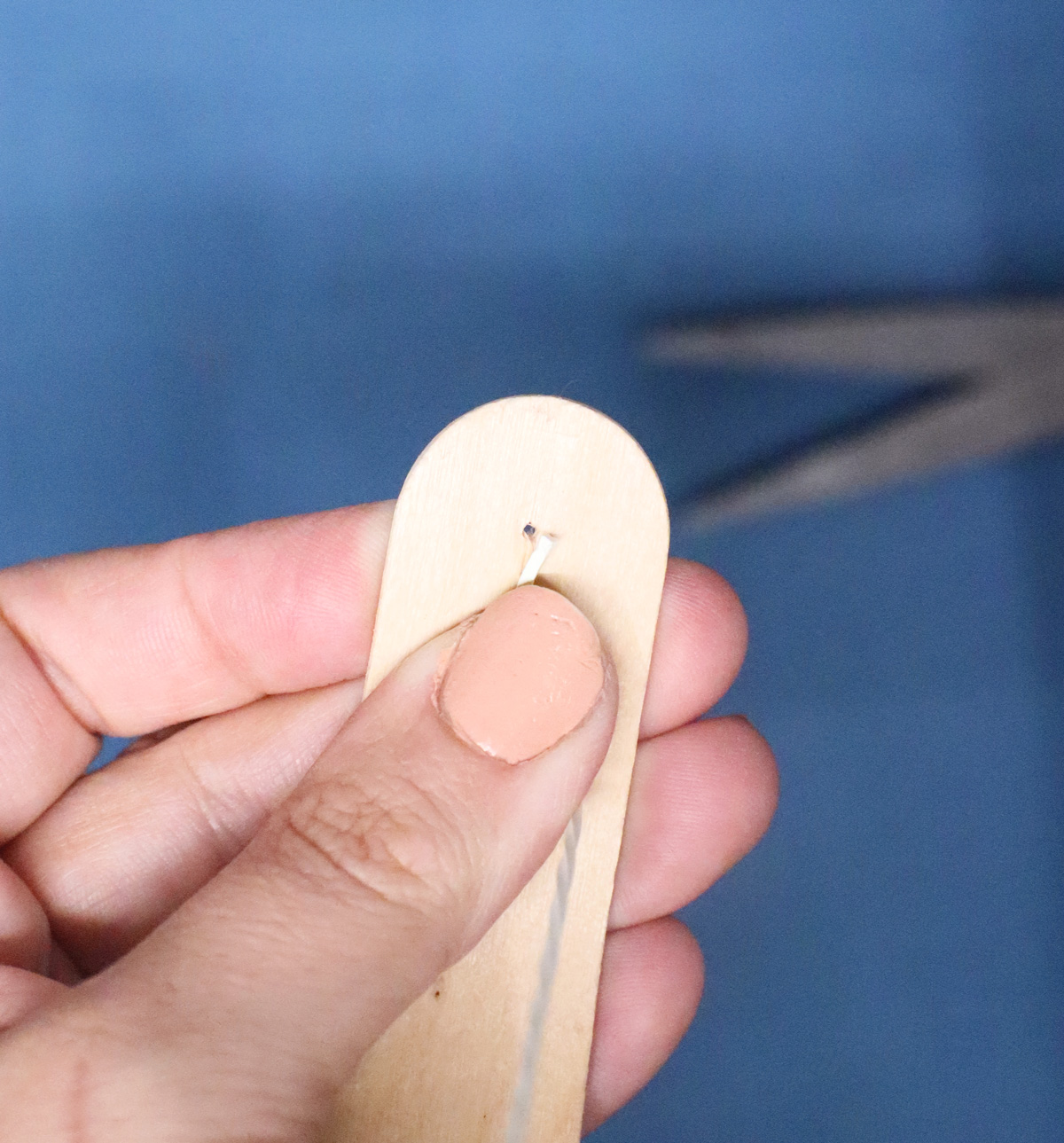
13. Use a pin or toothpick to poke the end of the cut rubber band from inside to outside. You don’t want to make the hole bigger – just do your best to poke it through. It might take a few tries.
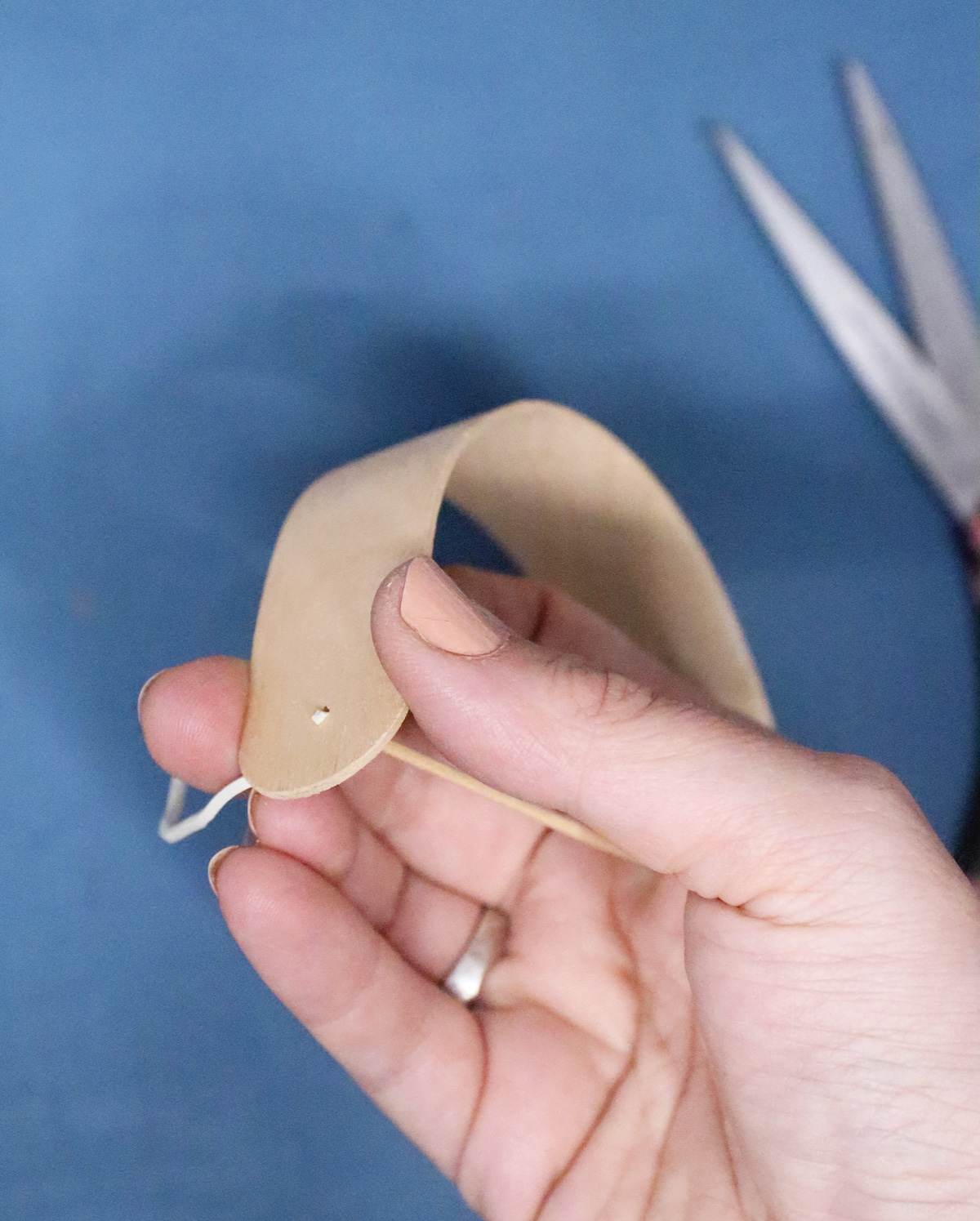
14. Pull it out about an inch and make a double knot on the outside to secure it in place. Pull the knot tight and pull a few times to test that it’s large enough and won’t go through the hole.
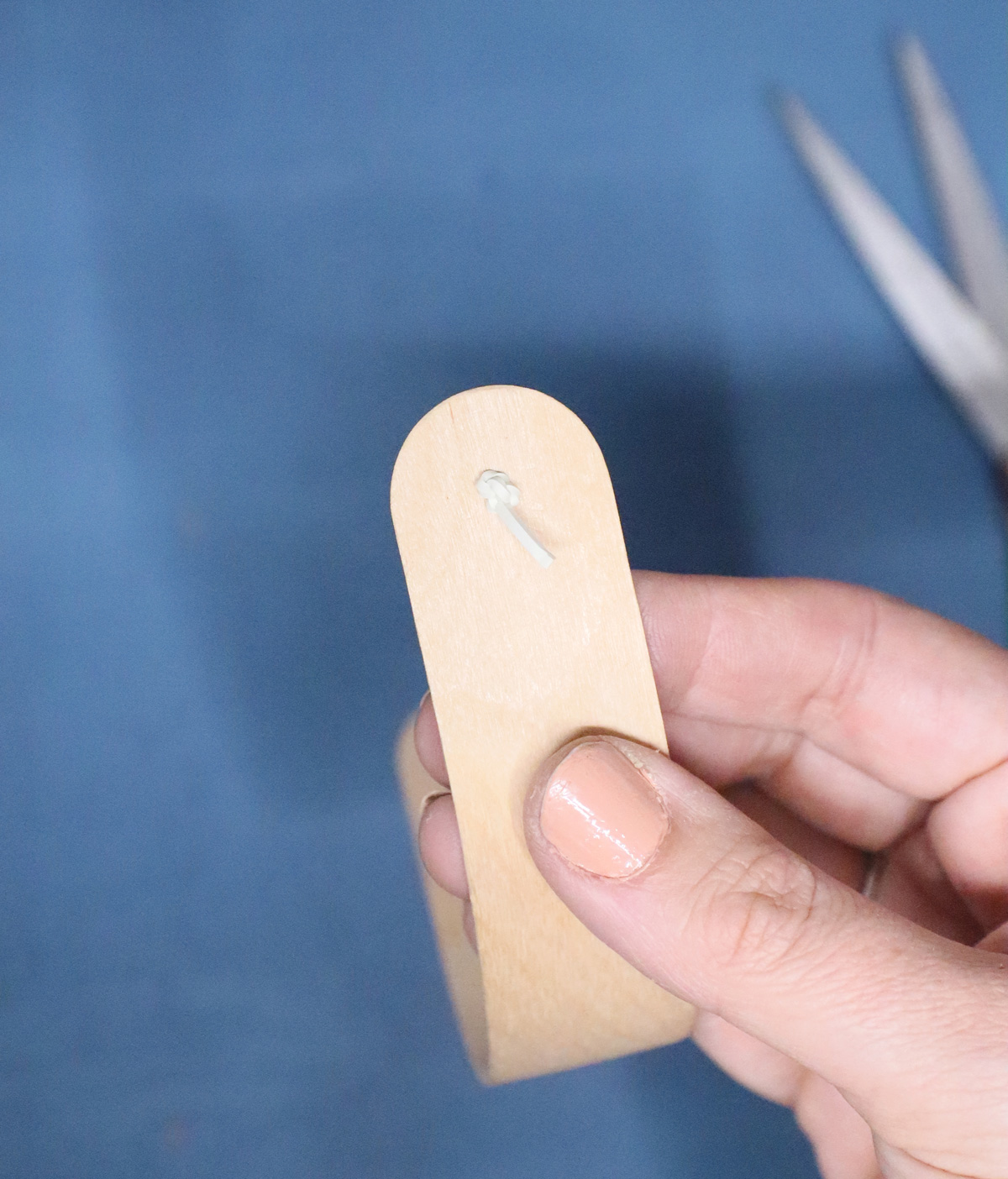
15. Stretch the rubber band to the other side and repeat steps 13 & 14 on the other side. I found that it helped to pull it and hold the end against the stick while poking in the tip.
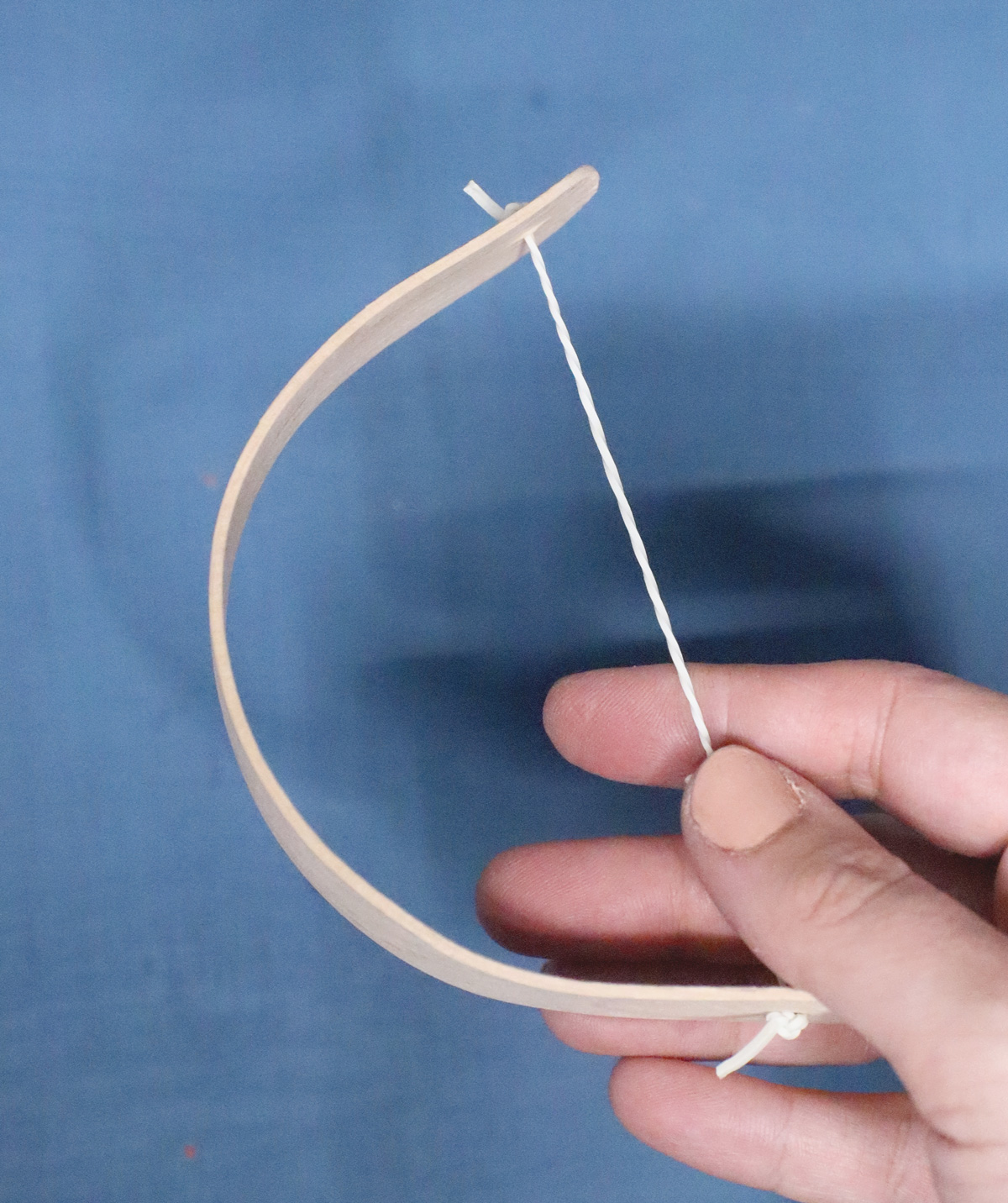
16. Now it’s time to make the hole for the arrow to go into. This needs to be larger than the arrow’s body – large enough for it to go through really smoothly. I started by punching a few holes with my 1/16 inch power punch next to each other.
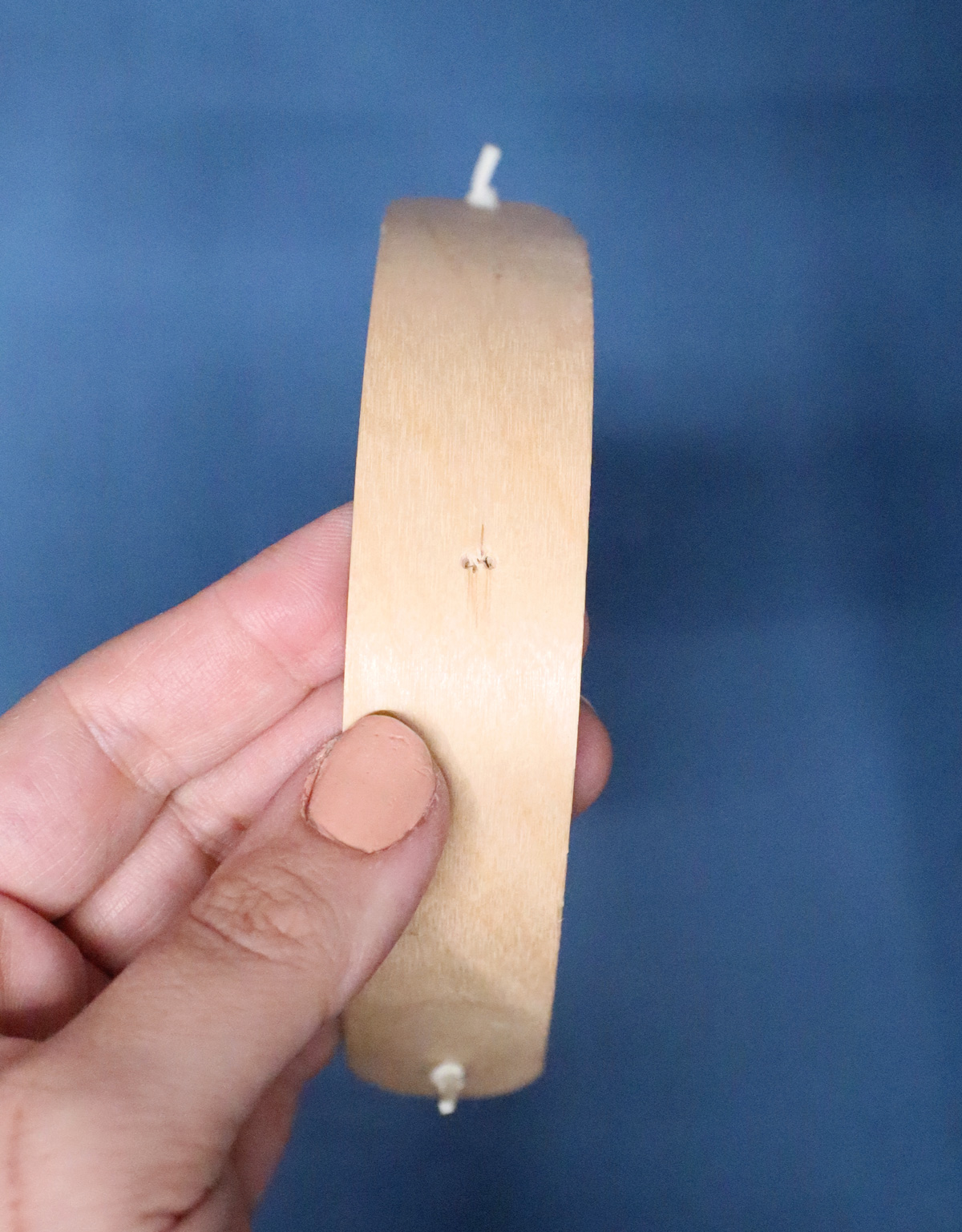
17. I then used a (very old and rusty) awl to make it large enough.
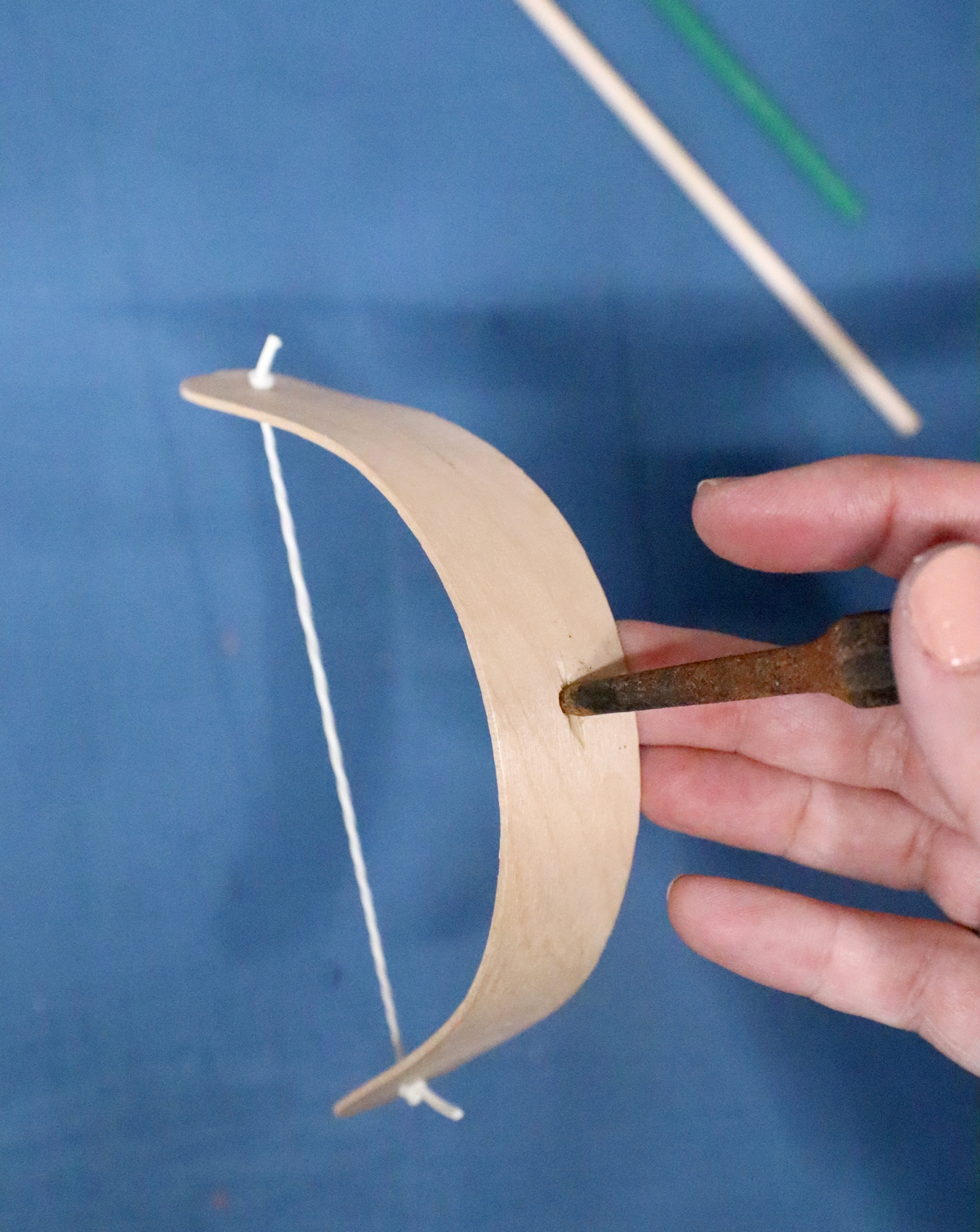
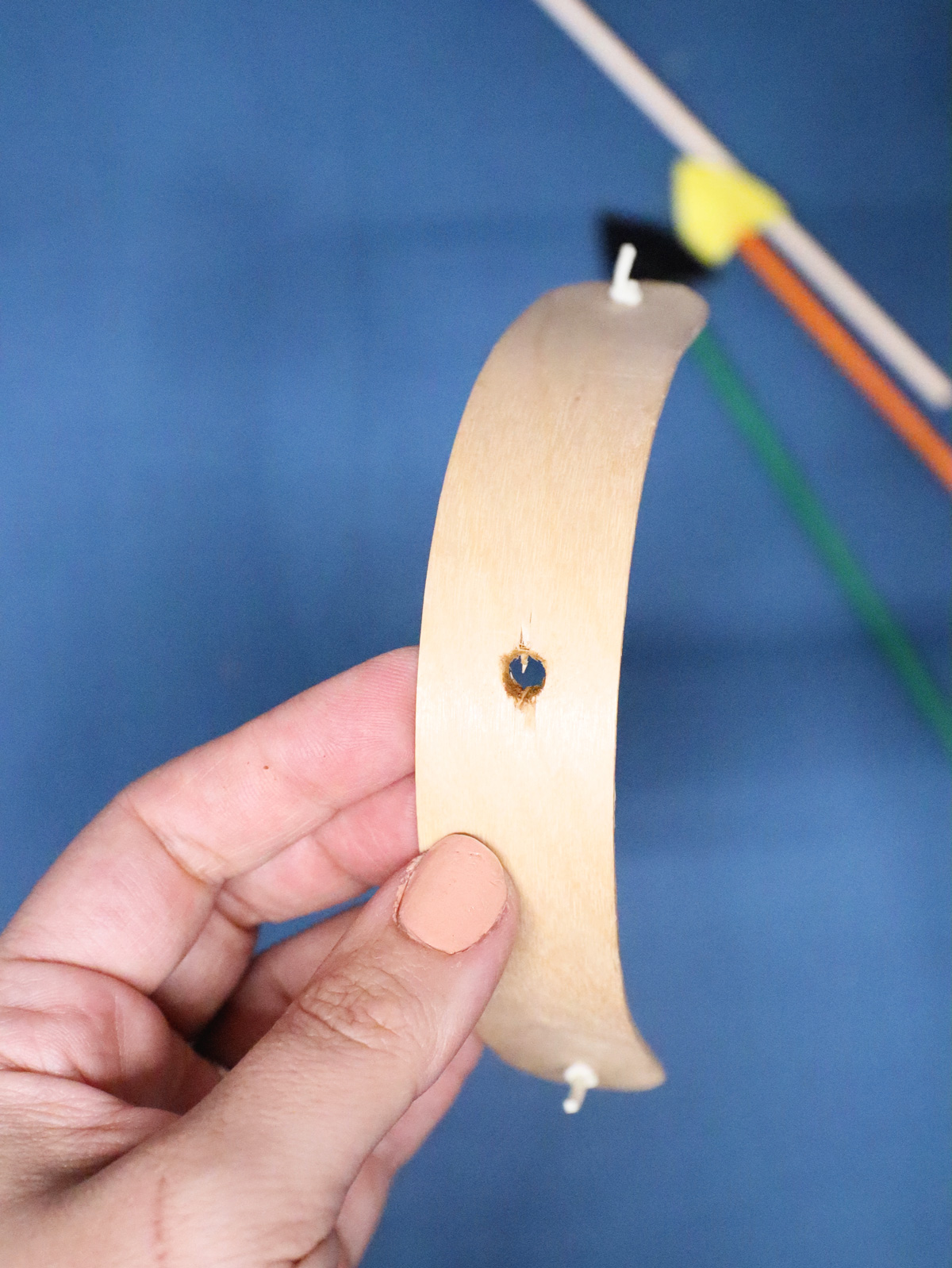
You’re done when your center hole is large enough for the arrow to go through smoothly! To shoot, thread the arrow through the center hole, pull back with the rubber band, and let go.
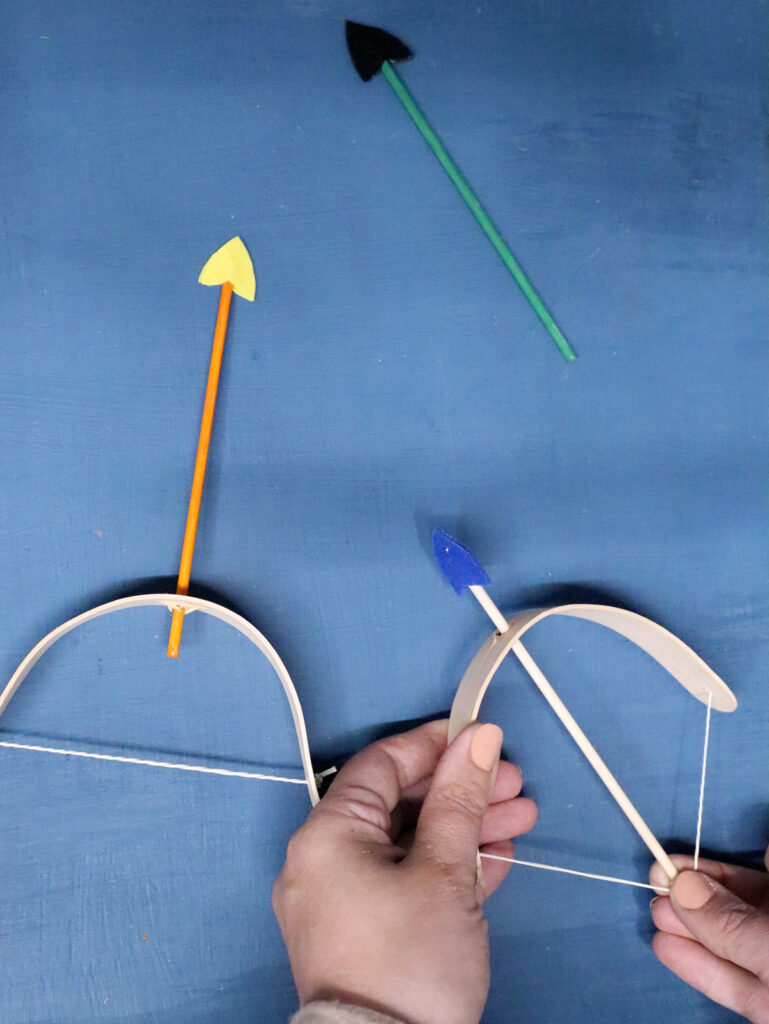
I hope you enjoyed learning how to make a working bow and arrow with basic craft supplies!